If you own a Crocker Highlands home, you are not selling a generic Oakland property. You are selling architecture, setting, and story all at once. That creates real opportunity, but it also means buyers will look closely at condition, authenticity, and how well the home has been prepared. In this guide, you’ll learn how to protect a character home’s appeal, reduce avoidable friction, and position it for a stronger sale. Let’s dive in.
Why Crocker Highlands Needs a Different Strategy
Crocker Highlands stands apart from Oakland’s broader resale market. City planning materials describe the larger Highlands and Lakeshore area as a planned garden-suburb setting, and Oakland records connect the neighborhood with period homes and architectural details that still shape buyer expectations today.
That matters when you prepare to sell. Buyers in this part of Oakland are often drawn to preserved character, strong indoor-outdoor flow, and original design details, not just square footage or finishes. A smart sale strategy should reflect that from day one.
Lead With Architectural Identity
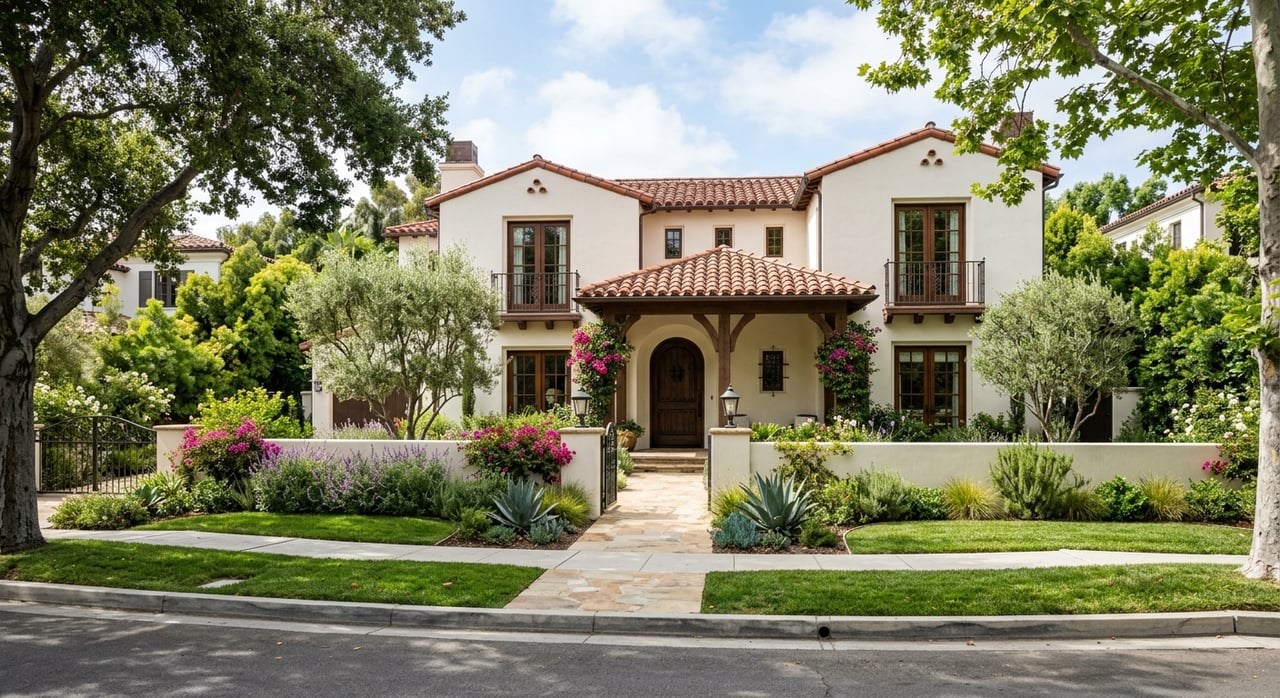
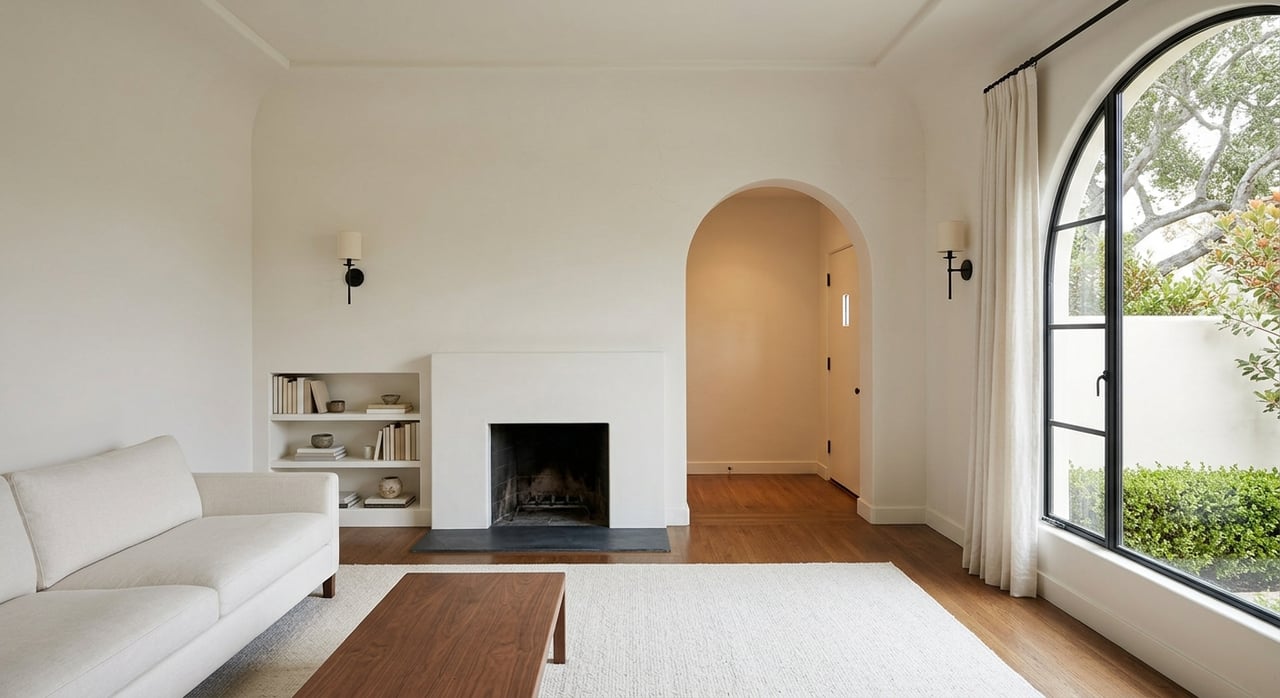
In Crocker Highlands, the home’s original personality is often one of its biggest assets. Oakland planning materials note that homes in the area can feature Period Revival influences, along with details like wrought-iron accents, sunrooms, French doors, expansive windows, and a strong connection to outdoor spaces.
When you prepare your home for market, the goal is usually not to erase age. It is to present the home’s original craftsmanship clearly and confidently. Preserved millwork, windows, distinctive entry details, and thoughtful room proportions can all help support a more compelling story.
What buyers tend to notice first
Buyers shopping in an upper-tier character-home market often respond to features such as:
- Original architectural details that feel intact
- A layout that still supports modern living
- Natural light and indoor-outdoor connection
- Visible care and maintenance
- Improvements that respect the home’s style
If your updates compete with the architecture, they can weaken the home’s appeal. If they support it, they can strengthen both buyer confidence and pricing power.
Start Planning Early
A strong Crocker Highlands sale usually starts months before the listing date. For an older character home, the best results often come from a phased plan instead of a last-minute rush.
About 12 months out, the main job is deciding what should be preserved, what needs further review, and which parts of the home may create concern during escrow. This is also the time to confirm whether historic-preservation rules could affect any planned exterior work.
Your 12-month planning window
At the earliest stage, focus on the big-picture decisions:
- Identify original features worth preserving
- Review whether preservation review may apply
- Order a pre-listing inspection
- Flag major system issues before they become timeline problems
For older homes, pre-listing inspections should pay close attention to foundation and structure, roof and drainage, plumbing, electrical, attic and ventilation, fireplaces, and windows and doors. These are the areas most likely to affect buyer comfort and negotiations.
Your 3-to-6 month prep window
This is usually the right time for selective improvements. In a neighborhood like Crocker Highlands, careful updates often outperform a broad renovation that strips away character.
If your home was built before 1978, lead-based paint may be a factor. Federal lead guidance says older homes are more likely to contain it, and renovation work that disturbs old paint should be handled with lead-safe practices. Older homes may also contain asbestos in materials like insulation, floor tile, or textured coatings, so any material that is damaged or likely to be disturbed should be evaluated before work begins.
Your 30-to-90 day market window
As the listing date gets closer, your focus should shift toward visible confidence-builders. Buyers want to see that the home has been cared for and that the biggest practical concerns have been addressed.
This is often the right window for:
- Exterior cleanup and maintenance
- Correction of obvious safety items
- Mechanical tune-ups
- Seismic improvements with clear buyer value
California Earthquake Authority and Cal OES recommend retrofit steps for older homes such as bolting the house to its foundation, bracing cripple walls where present, and strapping the water heater. For many sellers, these are highly credible upgrades because they improve resilience without changing the home’s character.
Choose Selective Improvements
Not every project adds value equally in a character-home sale. In Crocker Highlands, the best prep work is often the work that removes buyer hesitation while preserving the home’s period identity.
That means you should be cautious about over-renovating. A full cosmetic overhaul can be expensive, time-consuming, and out of step with what buyers actually want if it replaces original details with generic finishes.
Improvements that usually help most
A selective plan often prioritizes:
- Repairing deferred maintenance
- Refreshing paint where appropriate and safely handled
- Improving drainage and roof-related issues
- Updating unsafe or outdated electrical items
- Addressing visible plumbing concerns
- Presenting fireplaces, windows, and doors in working order
- Completing practical seismic work where feasible
The strongest prep plan makes the home feel both special and dependable. Buyers should see character first, then feel reassured by the condition.
Get Ahead of Inspection Issues
Older homes can create emotion during showings and caution during escrow. The more you know before listing, the easier it is to control the conversation.
In California, seller disclosures carry real weight. The California Department of Real Estate identifies the Real Estate Transfer Disclosure Statement and Natural Hazards Disclosure as core seller disclosures, and the seller’s disclosure obligations include material facts about the property’s condition and potential hazards.
Common friction points in older homes
Before listing a Crocker Highlands home, pay close attention to issues that can trigger renegotiation or delay:
- Aging electrical panels or older wiring
- Galvanized or aging plumbing
- Roof age and roof drainage
- Foundation settlement
- Water intrusion
- Deferred maintenance
- Unpermitted alterations
- Fireplace or chimney concerns
- Insulation or ventilation issues
- Exterior envelope wear
None of these issues automatically kills a sale. The bigger risk is surprise. A well-prepared seller reduces uncertainty by understanding the home’s condition early and deciding what to repair, what to disclose, and how to present the facts clearly.
Check Historic and Permit Questions Early
In a neighborhood with architectural significance, permit and preservation questions should never wait until the last minute. Oakland notes that designated landmarks and historic districts may be subject to preservation review, which can affect certain exterior changes.
That does not mean you should avoid improvements. It means your improvement plan should be checked before work starts, especially if exterior appearance, windows, or other visible features are involved. Early review can help you avoid delays, incomplete permitting, and marketing interruptions later.
Price Within the Micro-Market
Pricing a Crocker Highlands home requires more precision than simply looking at Oakland-wide averages. Redfin reported Oakland’s median sale price at $870,000 in March 2026, but nearby Lakeshore posted a median of $2.0 million and Grand Lake posted $1.275 million in the same period.
Those nearby numbers show the premium nature of the area, but they also come with a catch. The sample sizes were very small, which means monthly median prices can swing sharply. That is why a serious pricing strategy should blend nearby solds, active listings, pendings, renovation level, lot and parking differences, views, and the home’s originality.
Why broad averages can mislead
A character home in Crocker Highlands does not compete with every home in Oakland. It competes with a narrower group of homes that appeal to buyers looking for architecture, setting, and convenience in a premium East Bay location.
The best pricing strategy usually answers questions like these:
- How original is the home compared with nearby alternatives?
- Have key systems been updated?
- How much inspection risk will buyers perceive?
- Does the lot, parking, or orientation add value?
- How does the home compare to current active and pending competition?
This is where measured pricing matters most. A thoughtful launch can attract stronger interest than a price built on broad city averages alone.
Market the Home’s Story
For Crocker Highlands, strong marketing is usually less about hype and more about narrative. The home should be presented as a complete experience, with architecture, setting, and stewardship working together.
That means your listing should highlight concrete features that support the story. City planning records for the area provide useful context around period design, refined detailing, and indoor-outdoor flow, all of which can help frame the home in a way buyers understand.
What a strong story-driven presentation includes
A polished launch often emphasizes:
- Original craftsmanship and period details
- The home’s relationship to the garden-suburb setting
- Natural light and room flow
- Outdoor connections such as terraces, gardens, or sunrooms
- Updates that improve confidence without erasing character
- Clear disclosures and preparation that make the sale feel well managed
For many buyers, the decision is not character versus condition. It is character plus confidence. The best marketing supports both.
Why Concierge Support Can Make a Difference
Selling a premium older home often involves more moving parts than a standard listing. Contractors, inspections, staging, permit questions, and timing all need to be coordinated carefully.
That is where high-touch support can help. Dan Walner’s approach includes concierge coordination for pre-listing improvements, staging, contractor management, and complex sale situations, which can be especially useful when preparing a character home that needs thoughtful planning instead of a one-size-fits-all checklist.
Final Thoughts on Maximizing a Character Home
The best Crocker Highlands sales do not try to turn a period home into something it is not. They preserve what gives the property identity, address the issues most likely to create buyer hesitation, and bring the home to market with clear pricing and a confident story.
If you are thinking about selling, the right plan starts with the house in front of you. A measured review of condition, preservation considerations, pricing, and presentation can help you protect character while maximizing market response. If you want a discreet, strategy-first plan for your home, request a confidential market consultation with Dan Walner.
FAQs
What makes selling a Crocker Highlands home different from selling elsewhere in Oakland?
- Crocker Highlands is best approached as an architecture-led, upper-tier micro-market where buyers often care deeply about original design, condition, and how well the home’s character has been preserved.
What should sellers inspect before listing an older Crocker Highlands home?
- A pre-listing inspection should closely review foundation and structure, roof and drainage, plumbing, electrical, attic and ventilation, fireplaces, and windows and doors, since these are common areas of concern in older homes.
What disclosures matter when selling a home in California?
- California sellers should be prepared for core disclosures that include the Real Estate Transfer Disclosure Statement and the Natural Hazards Disclosure, along with disclosure of known material facts about the property’s condition and hazards.
What improvements help most before selling a character home in Crocker Highlands?
- The most effective improvements are often selective ones, such as correcting deferred maintenance, addressing safety or system concerns, improving drainage, and completing practical seismic upgrades while preserving original architectural features.
How should a Crocker Highlands home be priced?
- Pricing should be based on nearby solds, actives, and pendings in comparable premium neighborhoods, adjusted for condition, renovation level, lot and parking differences, views, and the home’s originality, rather than relying on Oakland-wide median prices alone.
Do historic rules affect home improvements in Crocker Highlands?
- They can, especially if a property is individually designated or located in a historic district, so it is wise to check preservation and permitting requirements before starting exterior work.