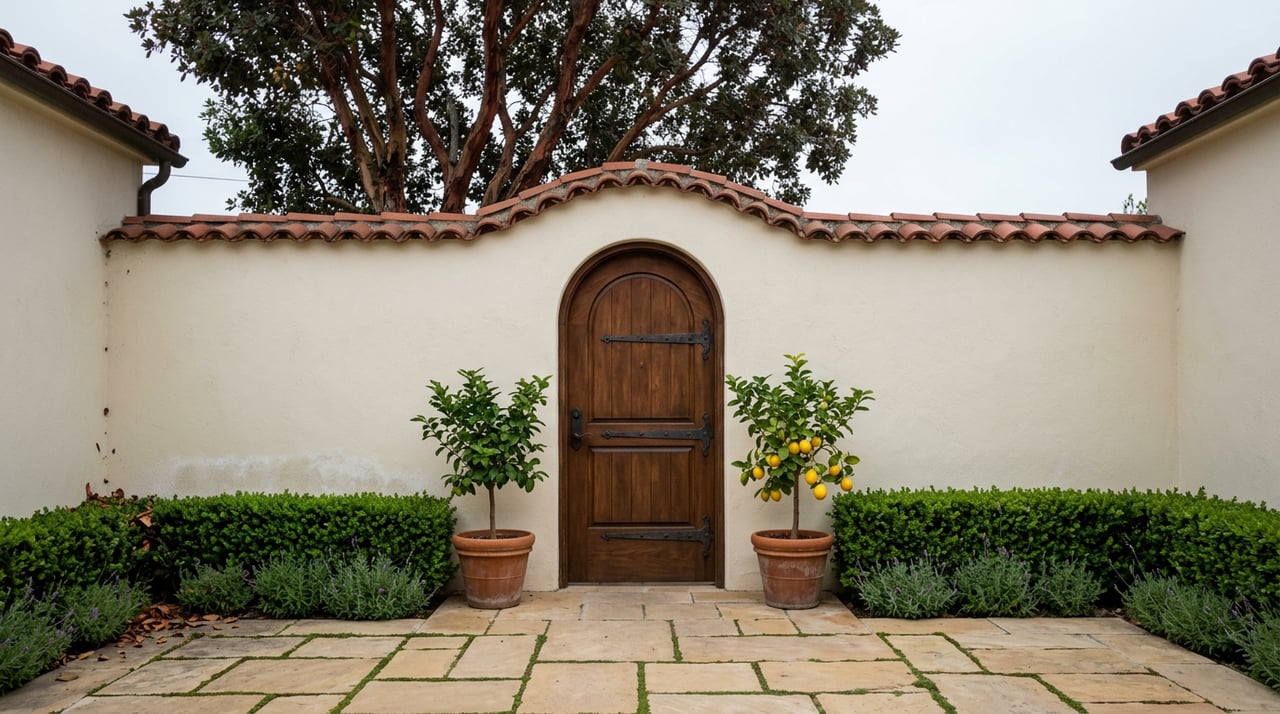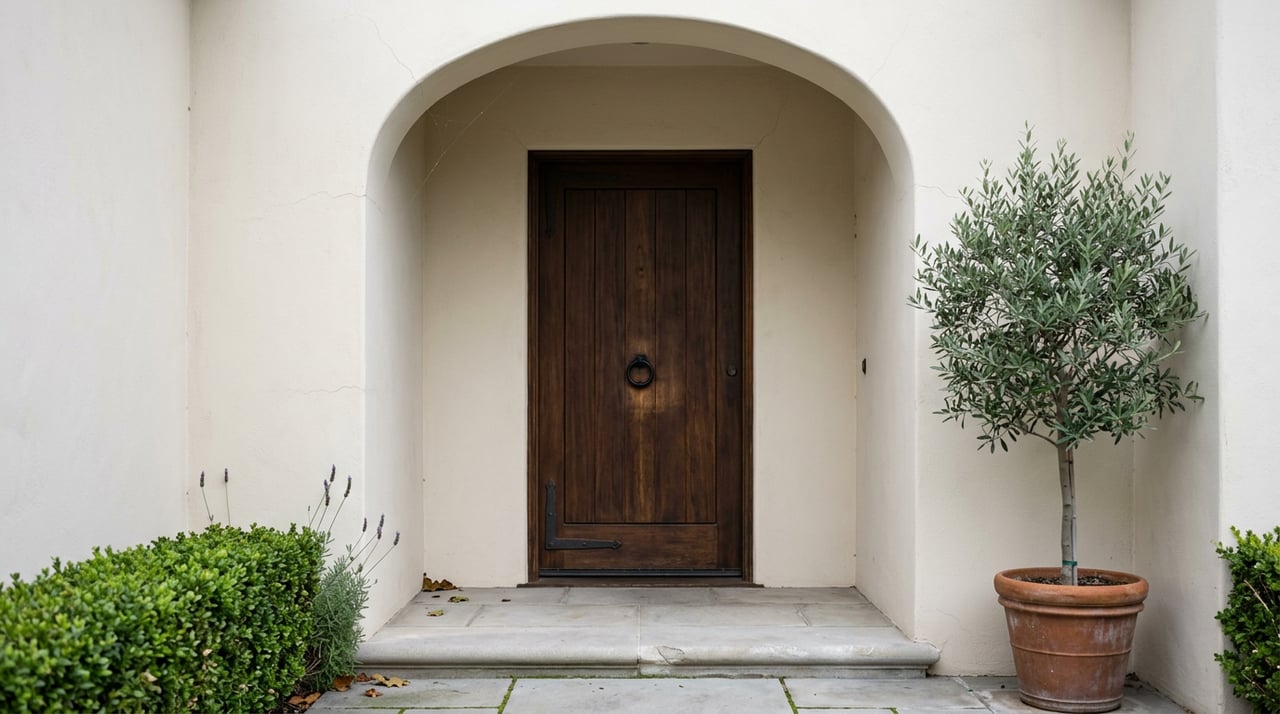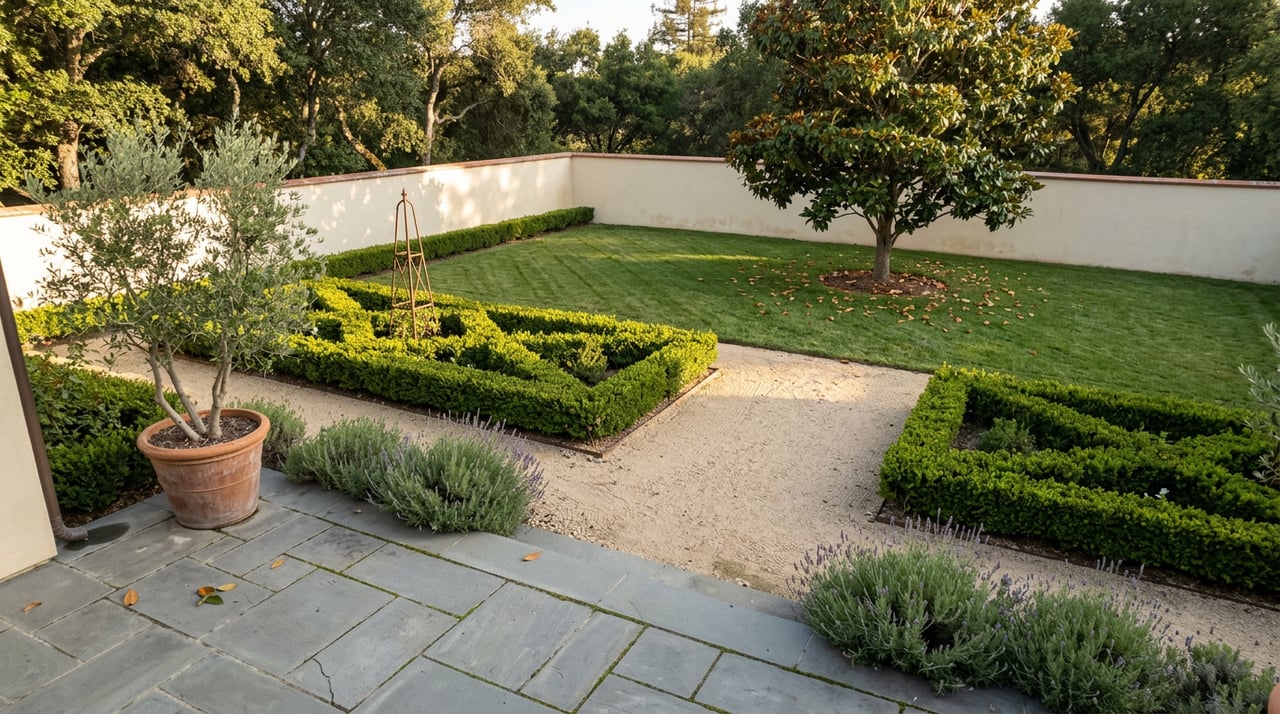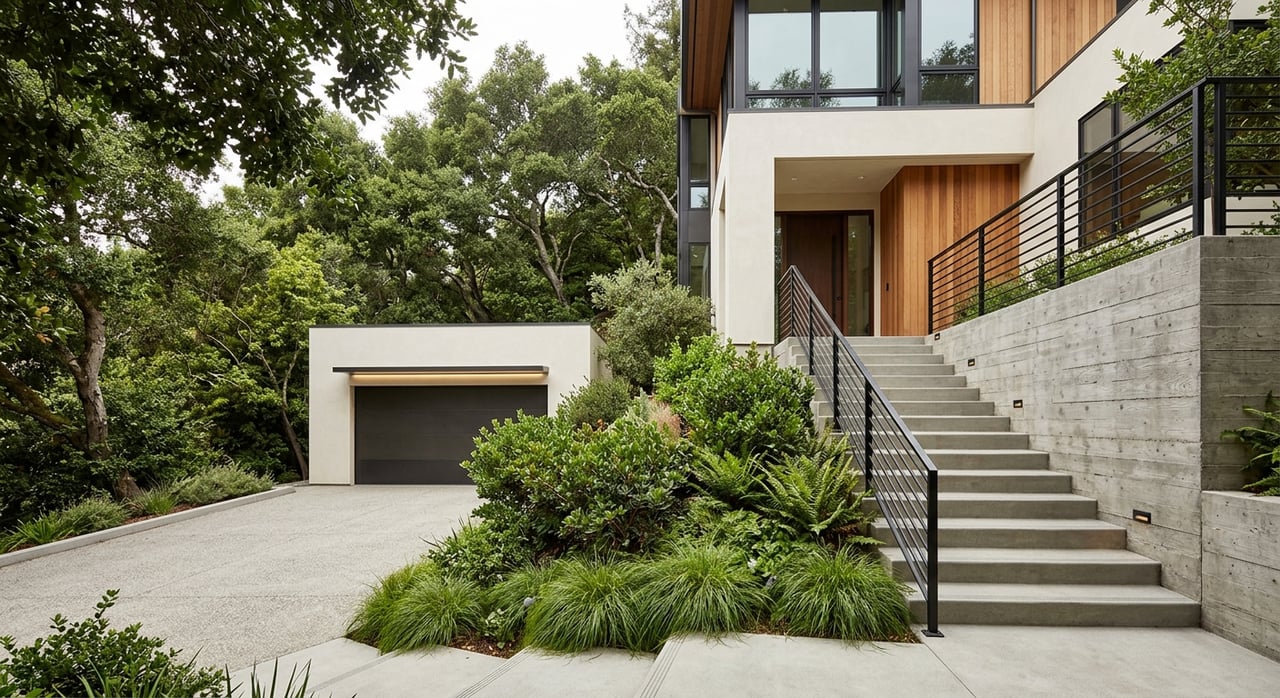
You can fall for a Berkeley Hills home in seconds. The views, the architecture, and the sense of retreat are powerful draws. But in North Berkeley, hillside living is also about access, weather, fire readiness, and the realities of owning a home on sloped terrain. If you are considering this part of Berkeley, it helps to understand both the romance and the logistics before you make a move. Let’s dive in.
North Berkeley Architecture Shapes Daily Life
North Berkeley and the Berkeley Hills stand out for more than scenery. The city identifies the Northside as an area that still reflects the legacy of Bernard Maybeck, the Hillside Club, the Arts and Crafts movement, and the First Bay Tradition. In Northbrae, including Northbrae Terrace and Berkeley Heights, early planning introduced curving streets, native-stone pillars along The Alameda, and small parks.
That history matters because it still influences how homes sit on their lots today. Rooflines, setbacks, and landscape features often feel tied to the terrain instead of imposed on it. As a result, hillside blocks can feel more intentional and visually cohesive than buyers may expect.
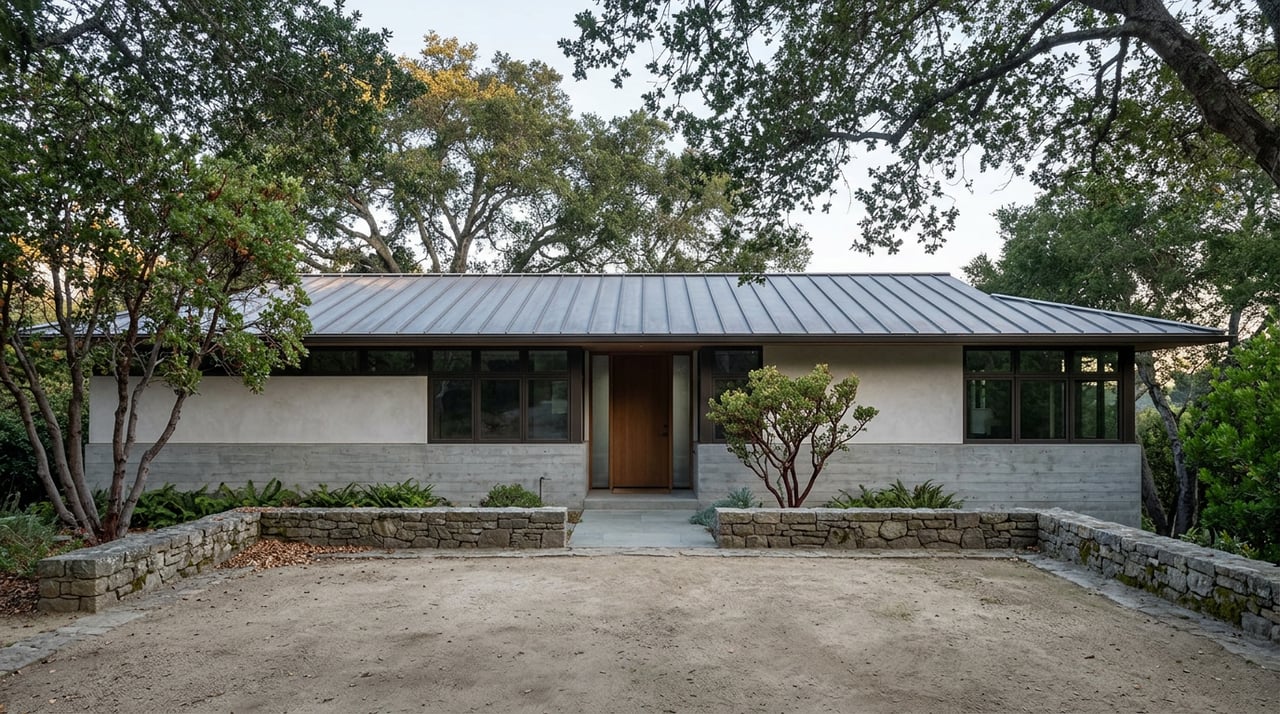
The area’s architectural story is not limited to brown-shingle homes. In and around hill neighborhoods near Greenwood Common, early Arts and Crafts homes share the landscape with mid-century modern houses by designers such as William Wurster and Roger Lee. If you are drawn to design, the Berkeley Hills can offer both handcrafted early Berkeley character and later modernist forms in the same broad area.
The 1923 Berkeley Fire also helped shape what you see today. According to the Berkeley Public Library, nearly 600 homes were lost, which helps explain why historic character appears concentrated on certain blocks rather than evenly preserved everywhere. That patchwork quality is part of what makes touring homes here so nuanced.
Views Are More Than a Selling Point
In the Berkeley Hills, views are part of daily living, but they are also part of city planning. Berkeley’s General Plan says construction should avoid blocking significant views toward the Bay, the hills, and landmarks such as the Campanile, Golden Gate Bridge, and Alcatraz. In hillside review areas, applicants may need to show heights, street elevations, and how a project could affect neighboring properties.
For you as a buyer, that means a view is not just a lifestyle feature. It can influence what future changes are possible, whether you are thinking about an addition, an upper-level expansion, or major exterior work. A home that seems to offer easy remodel potential may face more review than a similar property on flatter ground.
This is one reason hillside buying benefits from a long view. You are not only evaluating the home as it stands today. You are also evaluating how the site, grade, and surrounding context could affect future flexibility.
Sun, Fog, and Wind Vary by Block
One of the biggest surprises for buyers is how quickly Berkeley’s microclimate can change. The city’s watershed plan explains that topography, orientation, wind patterns, and distance from the Bay all shape local weather conditions. Even within a few miles, sun exposure, fog patterns, and rainfall can vary noticeably.
Higher elevations in the Berkeley Hills generally receive more rainfall, and summer fog tends to diminish farther inland from the Bay. That means one home may feel bright and warm in the afternoon while another, only a short drive away, stays cooler and breezier. Neighborhood name alone will not tell you how a property actually lives.
Heat is also worth thinking about more seriously now. Berkeley notes that very hot days are becoming more common, especially in summer and fall. If you are shopping in the hills, it is smart to pay attention to orientation, shade, window placement, and how the home handles warmer weather.
Parking and Access Need Extra Attention
Berkeley Hills living often comes with tradeoffs that are easy to overlook during a short showing. The city notes that some areas have two-hour parking limits unless residents have permits, and some hill streets include red curbs or no-parking zones because narrow roadways must stay clear for fire trucks. Posted signs, 72-hour limits, and statewide daylighting rules near crosswalks also matter.
In practical terms, guest parking may take more planning than it would in flatter neighborhoods. If you entertain often, have frequent service providers, or expect easy curbside access, it is worth paying close attention to the block itself. A beautiful home can feel very different once you think through everyday arrival and parking patterns.
Road geometry matters too. Berkeley says many hill streets are steep, narrow, and curving, which can make them harder for large trucks to navigate. That can affect moving day, furniture deliveries, renovation work, and even routine service calls.
Stairways and Paths Are Part of the Lifestyle
The hills offer a type of connectivity that is easy to miss if you only travel by car. Berkeley’s 2020 Pedestrian Plan says the city has about 136 public paths and stairways, used for recreation, transit connections, and emergency evacuations. In hillside areas, these routes are part of how some residents move through the neighborhood every day.
For buyers who enjoy walking, this can be a real advantage. Scenic stairways and pedestrian cut-throughs can make the area feel layered, local, and surprisingly connected. Daily routines may include routes that are not obvious from a map.
At the same time, not every household will find that setup equally convenient. Some North Berkeley Hills streets have narrow sidewalks or no sidewalks in places. If you need smoother curb-to-door access, fewer stairs, or easier mobility for guests, those details deserve close attention before you commit.
Wildfire Readiness Is Part of Ownership
Wildfire is one of the most important practical issues in the Berkeley Hills. Berkeley Fire’s Wildland-Urban Interface work focuses on local wildfire hazards, and the city advises residents in the hills to leave before a fire starts when Extreme Fire Weather is declared. That guidance reflects both local research and the history of major East Bay fires.
For homeowners, this is not abstract. Berkeley requires at least 5 feet of defensible space around any home citywide, and 100 feet in the Grizzly Peak and Panoramic mitigation areas. The city also notes that dead vegetation within the first 5 feet creates the highest ignition risk, and even living vegetation can be a concern close to the home.
There are also programs worth knowing about. Berkeley says hill residents in Zones 2 and 3 may qualify for free metal mesh and gutter guards through the Home Hardening Mesh Program, and rebates may be available for improvements to windows, roofs, eaves, and vents. If you are comparing properties, this kind of work can affect both maintenance planning and near-term ownership costs.
Building rules also reflect the area’s fire profile. Berkeley requires wildfire-resistant materials and methods for buildings in hillside fire zones 2 and 3. In other words, the city treats wildfire exposure as a core design condition, not an occasional concern.
Seismic and Slope Conditions Matter Too
Fire is only one layer of risk. Berkeley also has active seismic retrofit programs for certain building types, and eligible owner-occupied homes may qualify for earthquake-related grants. The city also reminds property owners that standard homeowners and renters insurance does not cover earthquake damage, so separate coverage is needed if you want that protection.
For many single-family buyers, one of the most practical questions is whether a home has already had useful retrofit work completed. If living space extends over a garage, that detail may be especially important to evaluate. Knowing what has been done, and what may still be worth doing, can help you budget more realistically.
Slope stability is another key part of hillside due diligence. Berkeley’s hazard planning identifies high landslide susceptibility in northeast Berkeley and the Berkeley Hills, especially in steeper eastern areas. That does not mean every property has the same risk, but it does mean drainage, retaining walls, grading history, and geotechnical context deserve real attention.
A Smart Berkeley Hills Due Diligence Checklist
If you are serious about buying in North Berkeley or the Berkeley Hills, a few early checks can save time and reduce surprises.
Review property conditions early
- Verify zoning and overlay conditions in the City of Berkeley GIS portal.
- Check whether the parcel falls within hillside fire zones or areas with higher landslide sensitivity.
- Ask whether prior additions, decks, retaining walls, or grading work were permitted.
Ask for preparedness records
- Request records of defensible-space maintenance.
- Ask about home-hardening upgrades such as vents, gutter guards, windows, roofing, or eave improvements.
- Confirm whether seismic retrofit work has been completed and whether documentation is available.
Test everyday usability
- Walk the route from street to front door.
- Evaluate driveway slope, stair access, and turnaround space.
- Look closely at guest parking conditions and whether residential parking permits may be helpful.
Think ahead about future changes
- If you hope to expand, remember that height, topography, and view protections may affect the process.
- Consider how neighboring uphill or downhill homes could influence design options.
- Treat remodel potential as a research question, not an assumption.
Why Local Guidance Matters Here
Berkeley Hills real estate rewards careful, block-by-block analysis. Two homes with similar square footage can live very differently based on orientation, access, weather exposure, parking, and hazard overlays. That is especially true in North Berkeley, where architectural character and site conditions often carry equal weight.
If you are buying or selling in this market, clear local context matters. A polished listing presentation is important, but so is knowing how to evaluate the practical side of hillside ownership with a calm, strategic lens. That combination helps you move with more confidence and fewer surprises.
If you are considering a move in Berkeley and want tailored guidance on hillside homes, views, access, and property positioning, Dan Walner offers discreet, high-touch support for discerning buyers and sellers.
FAQs
What makes North Berkeley architecture distinctive?
- North Berkeley reflects a mix of Arts and Crafts, First Bay Tradition, and later mid-century modern design, with many homes and streets shaped to fit hillside terrain rather than flatten it.
What should Berkeley Hills buyers know about views?
- In the Berkeley Hills, views can affect planning and remodel potential because the city reviews height, massing, and possible impacts on significant view corridors.
How do Berkeley Hills microclimates affect daily life?
- Weather can vary sharply by block, with differences in sun, wind, fog, heat, and rainfall based on elevation, orientation, and distance from the Bay.
What are the parking challenges in the Berkeley Hills?
- Some hill streets have permit rules, red curbs, no-parking areas, and narrow roadway conditions that can affect guest parking, moving logistics, and day-to-day convenience.
What wildfire steps matter for Berkeley Hills homes?
- Buyers should review defensible-space work, home-hardening upgrades, local fire-zone rules, and evacuation planning because wildfire readiness is a major part of ownership in the hills.
What due diligence is most important for Berkeley hillside properties?
- Key steps include checking zoning and overlays, reviewing seismic and wildfire improvements, evaluating access and parking, and understanding drainage, retaining walls, and slope conditions.