Wondering whether your next home should be in Montclair or Lamorinda? If you are planning a move up, this decision often comes down to more than square footage. You are really choosing between two different ways of living in the East Bay. This guide will help you compare setting, home styles, commute patterns, and everyday convenience so you can narrow in on the fit that makes the most sense for your next chapter. Let’s dive in.
Montclair vs. Lamorinda at a Glance
For many buyers, the simplest way to frame this choice is this: Montclair feels like a compact hillside village, while Lamorinda feels more like a traditional suburban area with three distinct downtowns in Orinda, Lafayette, and Moraga.
Montclair Village is supported by a business improvement district that focuses on street cleaning, security patrols, and merchant marketing. The area is known for shopping, dining, seasonal events, the Montclair Village Farmers Market, and a summer Food & Wine Festival. That gives Montclair a centered, walk-up village feel within the Oakland hills.
Lamorinda offers a different setup. Orinda’s planning materials highlight downtown revitalization, mixed-use housing, restaurants, and specialty businesses. Lafayette describes its downtown as a small-village environment with retail, restaurants, and cafes, while Moraga emphasizes natural landscape and quality of life.
Choosing the Lifestyle You Want
If you are moving up, it helps to start with lifestyle before you focus on bedrooms or lot size. The biggest difference here is how each area feels day to day.
Montclair offers a wooded village feel
Montclair tends to appeal to buyers who want a tucked-away setting with trees, hills, and quick access to a compact commercial district. The village center brings errands, dining, and local events into one recognizable hub.
You may find that this setting feels more connected to the East Bay hills experience. It is less about a broad suburban grid and more about living within a hillside neighborhood that has its own small core.
Lamorinda offers a classic suburban pattern
Lamorinda usually fits buyers who want a more conventional suburban layout. Instead of one hill village, you have three communities with distinct personalities and separate downtown areas.
That often creates a different rhythm. The streets, lots, and access patterns can feel more predictable, especially if your priority is yard space, easier driveways, or proximity to a BART station in Orinda or Lafayette.
Home Sites and Property Tradeoffs
Move-up buyers often focus on square footage, but the lot and setting matter just as much. In this comparison, the topography can shape your daily experience.
Montclair homes are shaped by the hills
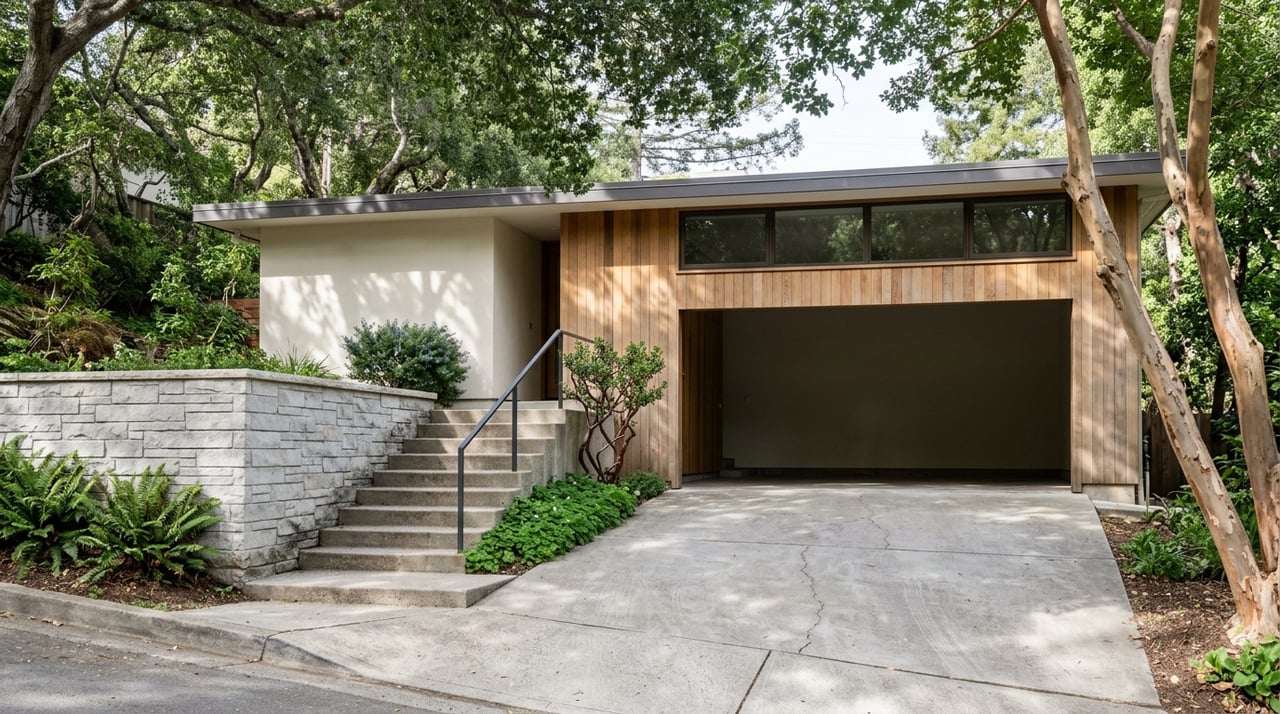
Oakland’s land-use framework notes that the hills generally remain lower density because of terrain, street-network limits, and wildfire constraints. In practical terms, that often means Montclair homes are influenced by steep streets, varied elevations, and view-oriented siting.
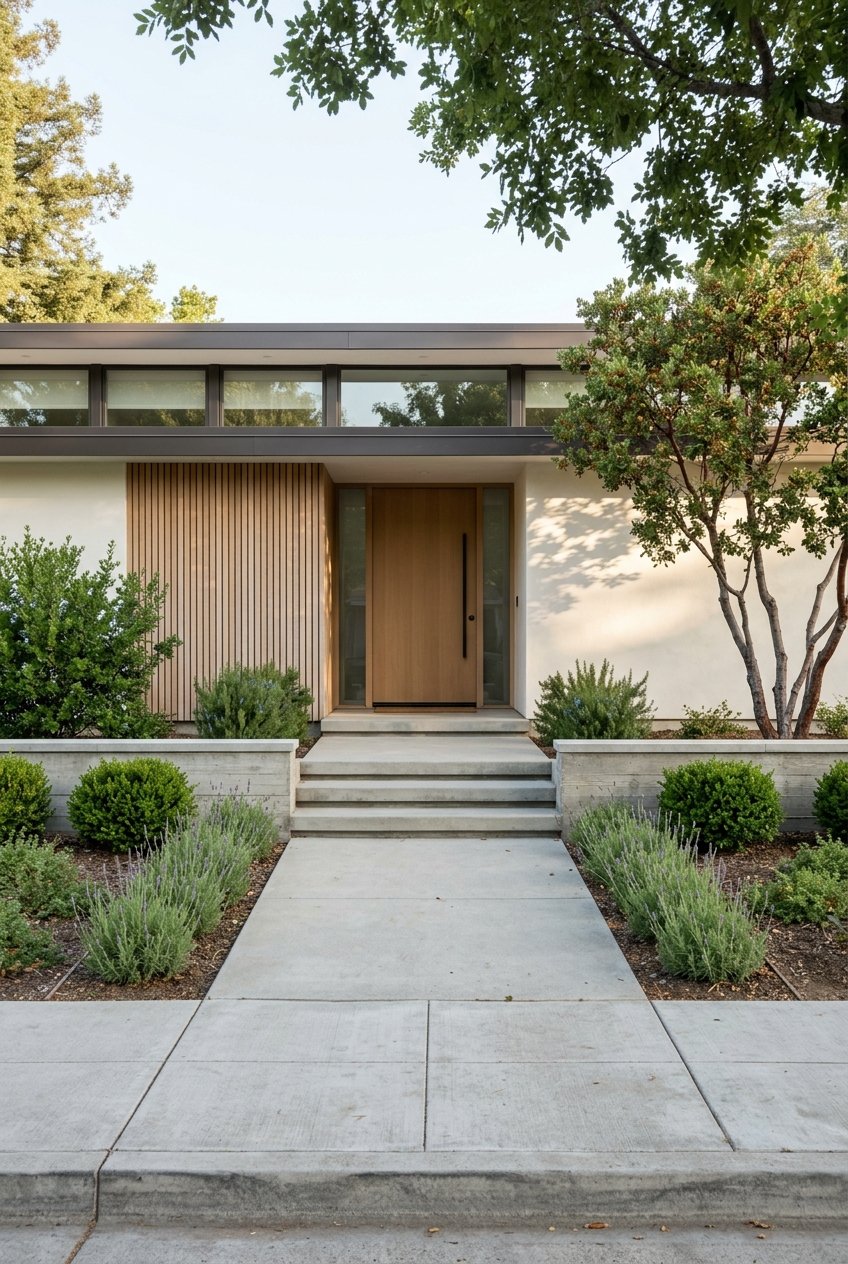
Montclair is commonly associated with midcentury homes, premium views, and a wooded setting. The tradeoff is that you may give up flatter lots, simpler driveways, and more regular yard geometry in exchange for trees, privacy, and that tucked-into-the-hills feeling.
Orinda often brings larger lots
If lot size is near the top of your list, Orinda stands out within Lamorinda. Local sources describe homes on large lots with views, and the city includes zoning with a 20,000-square-foot minimum lot size in at least one district.
The Wilder project also illustrates this larger-lot and open-space pattern, with 245 home sites spread across 200 acres within a 1,500-acre subdivision preserve that includes more than 1,300 acres of open space. For buyers seeking a more estate-like feel, Orinda can check that box more directly.
Lafayette balances lot usability and convenience
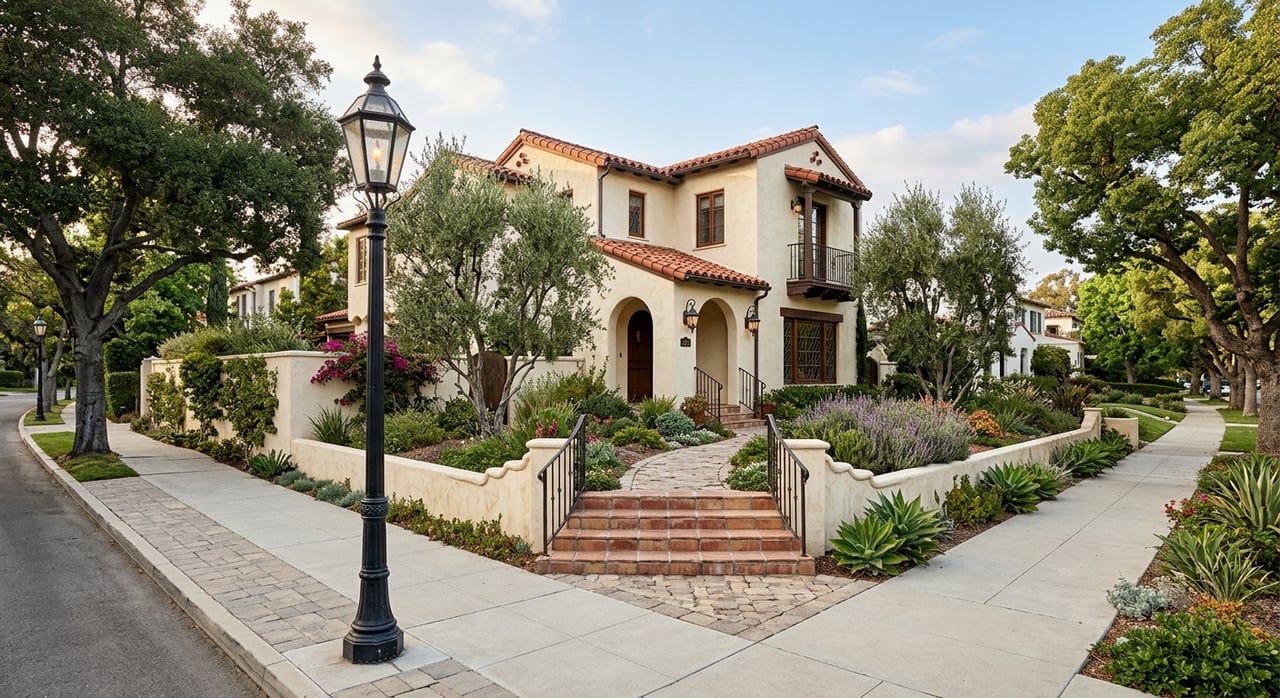
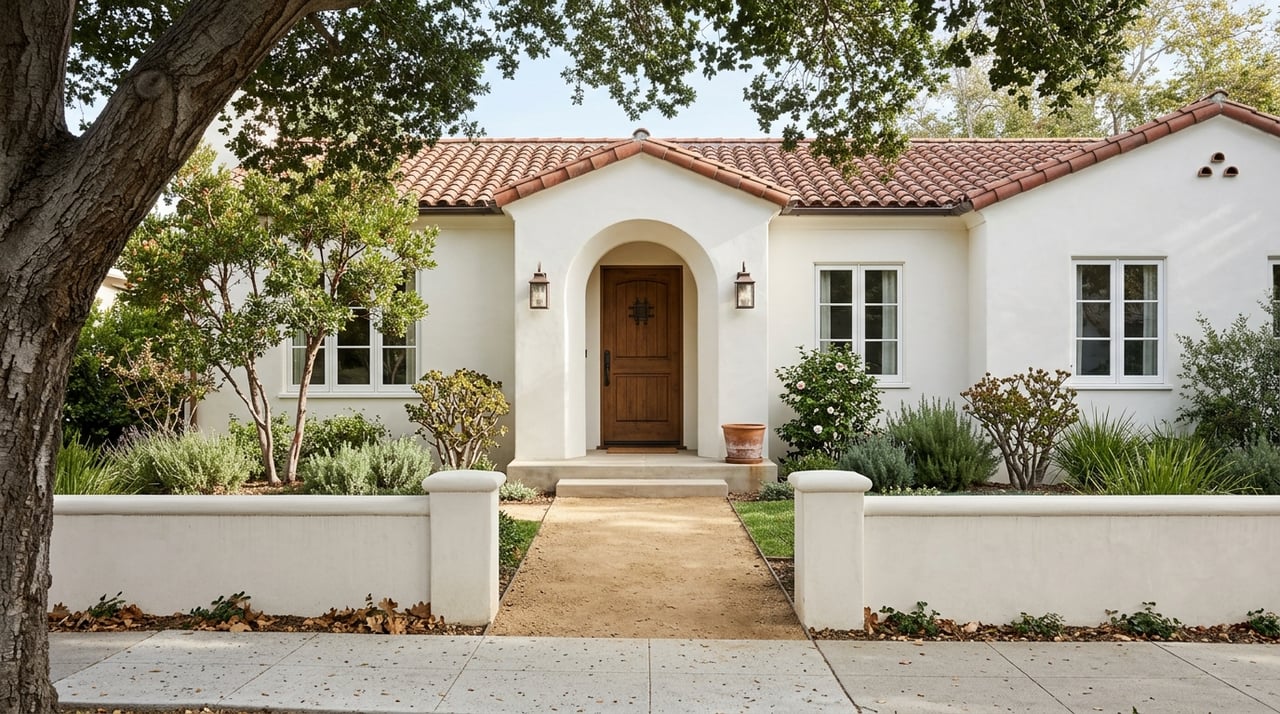
Lafayette often appeals to buyers who want suburban parcel patterns without giving up an active downtown. Local guides describe a mix of midcentury, later, and newer homes on private lots that may include gardens, pools, and views.
You will also see a range of settings in Lafayette, from hillside homes to flatter blocks closer to downtown. That flexibility can be appealing if you want options between neighborhood feel and convenience.
Moraga feels more spread out and residential
Moraga’s housing materials refer to single-family lots of varying sizes, and the town presents itself as a community set in the East Bay hills between Orinda and Lafayette. Among the Lamorinda options, Moraga reads as the most residential and the most spread out.
If your priority is a quieter setting with a semi-rural undertone, Moraga may deserve a closer look. If you want a stronger downtown scene or built-in rail access, it may feel less aligned.
Commute and Transit Differences
A move-up purchase is often tied to commute patterns, school schedules, and how much driving you want in your week. This is one of the clearest practical differences between Montclair and Lamorinda.
Montclair is more car-first
Montclair is centered around Highway 13, not its own BART station. Montclair Village sits off Highway 13 between the Park Boulevard and Moraga Avenue exits, and there is no Montclair BART station.
For rail access, Rockridge is often the closest major anchor. Rockridge Station is at 5660 College Avenue, serves the Antioch to SFIA/Millbrae line, and daily parking is priced at $6.00. For many Montclair households, that supports a drive-to-rail or primarily car-based commute pattern.
Lamorinda has the built-in BART edge
Lamorinda offers a more direct rail advantage. Both Orinda and Lafayette have BART stations on the Antioch to SFIA/Millbrae line, and Orinda Station is located at 11 Camino Pablo.
Daily parking at Orinda and Lafayette is priced at $3.40, which is lower than Rockridge. For buyers who want a town organized more clearly around station access and Highway 24, Lamorinda often feels easier to navigate.
Lafayette is investing in transit access
Lafayette has also invested in safer access to downtown transit. The Aqueduct Pathway is planned as a fully separated route through downtown with direct connections to BART and links to the regional trail network, including the Lafayette-Moraga Regional Trail.
For some move-up buyers, that kind of infrastructure matters. It supports a more connected daily pattern for walking, biking, and getting to transit without relying entirely on a car.
Daily Life, Dining, and Recreation
Your next home should support the way you want to live on ordinary Tuesdays, not just weekends. When you compare Montclair and Lamorinda, everyday amenities look a little different.
Montclair keeps amenities close together
Montclair has a notably compact amenity mix. Local sources highlight restaurants, wine-focused stops, boutiques, and a bookstore, along with a lively commercial strip supported by the business improvement district.
The area also hosts a farmers market and a summer Food & Wine Festival. If you value having errands, coffee, dining, and neighborhood events gathered into one village-like center, Montclair has a strong case.
Montclair also stands out for nearby outdoor access
Montclair’s recreation options are close in for a hill neighborhood. The Montclair Recreation Center includes a duck pond, picnic areas, tennis courts, an outdoor basketball court, and play equipment.
The Montclair Railroad Trail is a mostly paved multi-use trail that is open daily from 6 a.m. to 9 p.m. You are also close to Redwood Regional Park, Joaquin Miller Park, and Roberts Regional Recreation Area.
Orinda and Lafayette offer active town centers
Orinda centers many of its amenities around downtown and community events. The city promotes a year-round Saturday farmers market and Thursday evening events that include food trucks, live music, and movies.
Lafayette combines a small-village downtown with strong recreation assets. Lafayette Community Park spans 68 acres, and Lafayette Reservoir offers year-round day use for hiking, jogging, fishing, boating, and picnicking.
Moraga is quieter by design
Moraga emphasizes transportation, walk-bike improvements, and preservation of natural landscape. Compared with Montclair, Orinda, or Lafayette, it reads less like a dining destination and more like a place where you stay close to home.
That can be a positive if you want a slower pace. It is simply a different fit from buyers who want a more active commercial core.
Which Area Fits Your Move-Up Goals?
Once you step back from the neighborhood names, the decision usually becomes clearer. The real question is whether you want a hillside village experience or a more traditional suburban town.
Choose Montclair if you want
- A wooded East Bay hills setting
- Quick access to Oakland and Berkeley
- A compact village center for dining and daily errands
- View-oriented homes and a tucked-away feel
Montclair is often the right answer when character and setting matter more than lot regularity. The tradeoff is more topography, more car dependence, and generally less predictable parcel geometry.
Choose Orinda if you want
- Larger lots
- A more estate-like suburban feel
- Views with BART access in the corridor
- A quieter, more spacious residential pattern
Orinda tends to stand out when yard space and lot presence are top priorities. It often suits buyers who want room to spread out without leaving the broader East Bay orbit.
Choose Lafayette if you want
- A strong mix of suburban convenience and downtown activity
- Direct BART access
- Recreation that is easy to build into daily life
- More variety in lot and neighborhood patterns
Lafayette often lands well for buyers who want balance. It offers a strong combination of amenities, access, and everyday usability.
Choose Moraga if you want
- A quieter and more residential setting
- A more spread-out layout
- Natural surroundings with a semi-rural tone
Moraga can be a compelling choice if you are drawn to a calmer pace. It may be less about downtown energy and more about space and setting.
Final Thoughts on Montclair vs. Lamorinda
For a move-up buyer, there is no universal winner here. Montclair and Lamorinda serve different priorities, and the right choice depends on how you want your days to feel once you are unpacked.
If you want wooded hills, village energy, and closer ties to Oakland and Berkeley, Montclair may be the better fit. If you want built-in BART access, more consistent lot patterns, and classic suburban ease, Lamorinda may be the stronger long-term match.
When you are weighing Montclair against Orinda, Lafayette, or Moraga, the most useful next step is to compare not just homes, but also roads, topography, downtown access, and the rhythm of everyday life. If you want tailored guidance on making that move with clarity and discretion, Dan Walner can help you evaluate the options with a local, strategic lens.
FAQs
What is the main difference between Montclair and Lamorinda for move-up buyers?
- Montclair generally offers a wooded hillside village feel with a compact commercial core, while Lamorinda generally offers a more traditional suburban experience with distinct downtowns in Orinda, Lafayette, and Moraga.
Is Montclair or Lamorinda better for larger lots?
- Lamorinda, especially Orinda and often Lafayette, usually offers more predictable yard space, larger lots, and more driveway-friendly parcels than Montclair.
Does Montclair have a BART station?
- No. Montclair does not have its own BART station, so many residents rely more on Highway 13 and drive-to-rail access, often using Rockridge Station.
Which Lamorinda town has the strongest downtown and transit mix?
- Lafayette is often the strongest blend of active downtown amenities, BART access, and recreation, based on its downtown pattern, station access, and trail investments.
Is Moraga a good fit if you want a quieter East Bay move-up location?
- Yes. Moraga is generally the quietest and most residential of the Lamorinda communities, with a more spread-out feel and an emphasis on natural landscape.
What makes Montclair appealing for an upsizing move?
- Montclair can appeal if you want a hill setting, mature trees, nearby parks and trails, and a village center that brings shopping, dining, and local events into one close-knit area.