If you are planning to sell in Piedmont, you already know buyers here arrive with high expectations and low patience for projects. You want a clean, confident launch that shows value fast, respects the home’s character, and clears common Bay Area compliance items without drama. In this guide, you will learn exactly how to prepare for today’s discerning buyers, from permits and inspections to smart, high‑return updates and timing. Let’s dive in.
Know your Piedmont buyer
Piedmont is a small, affluent city of roughly 11,000 residents, known for its established neighborhoods and premium single‑family homes. The community’s profile skews high income, which shapes both presentation standards and pricing strategy (city profile and income data). Many buyers consider public school performance and proximity to fields and campuses when comparing homes, so location context matters in your marketing materials (see Piedmont school profiles).
Inventory is often limited, which means well‑prepared homes attract fast attention. If you want strong engagement from school‑focused buyers, plan for a spring or early‑summer close and work backward to set your prep timeline. The goal is simple: move‑in readiness, clear documentation, and thoughtful presentation that lets buyers say yes with confidence.
Permits, reviews, and inspections
Design review basics
In Piedmont, many exterior and structural projects go through the city’s design review program. There are three levels: Administrative review for the smallest items, Staff Design Review for moderate scopes, and Planning Commission for larger or more complex work. Administrative cases can move in about 10 to 14 days, Staff reviews often run around 40 days, and Planning Commission items take longer and include public notice (design review overview). If you are considering pre‑sale improvements, confirm whether your scope is ministerial or discretionary so you do not miss your ideal listing window.
Permits and timing
Piedmont uses the eTRAKiT portal for most permit applications. The Building Department typically does an initial intake within about three business days, with plan review times of roughly 2 to 8 weeks depending on complexity. Small permits often clear in 2 to 4 weeks, while larger plans take longer. Permits expire after 365 days, but extensions are available. Build these timelines into your schedule if you plan to do permitted work before listing (permit application portal and timelines).
ADUs and JADUs
Piedmont allows ADUs and JADUs under ministerial rules when the project meets state and local standards. Ministerial ADUs can be up to 1,200 square feet, with JADUs at 500 square feet or less. If an ADU is bundled with a larger project that requires design review, that broader scope will trigger discretionary processes and longer timing. If you plan to create or legalize an ADU before selling, contact the city early to confirm your path and timeline (ADU guidance).
Inspections and required compliance
- Private Sewer Lateral: Properties in Piedmont fall within the East Bay regional Private Sewer Lateral (PSL) program. A PSL Compliance Certificate is commonly required at sale or when certain building triggers occur. Certificates are valid for set periods, and a Time Extension Certificate may be possible if work is still in progress at close. Check your status early to avoid closing delays (PSL program details).
- Pre‑listing inspections: Most Bay Area sellers order a general home inspection, termite/WDO report, and roof or structural review as needed. If you expect PSL work, a pre‑inspection of the line helps you budget and schedule repairs before launch.
- Disclosures: Provide the Transfer Disclosure Statement and other required California disclosures within the Civil Code timelines. A complete, accurate package builds trust and helps protect your sale price (California disclosure overview).
What to fix before listing
Start with presentation
First impressions drive outcomes in luxury markets. The National Association of Realtors reports that professional staging often reduces time on market and can produce modest price improvements, with the living room, primary bedroom, and kitchen delivering the most impact (2025 NAR Profile of Home Staging). For Piedmont, that means a full declutter, neutral repaint, deep clean, and targeted staging that speaks to how buyers actually live.
- Prioritize the living room, primary suite, and kitchen.
- Use light, neutral paint and cohesive lighting to brighten spaces.
- Incorporate a simple home office vignette if you have a logical niche.
Curb appeal and core systems
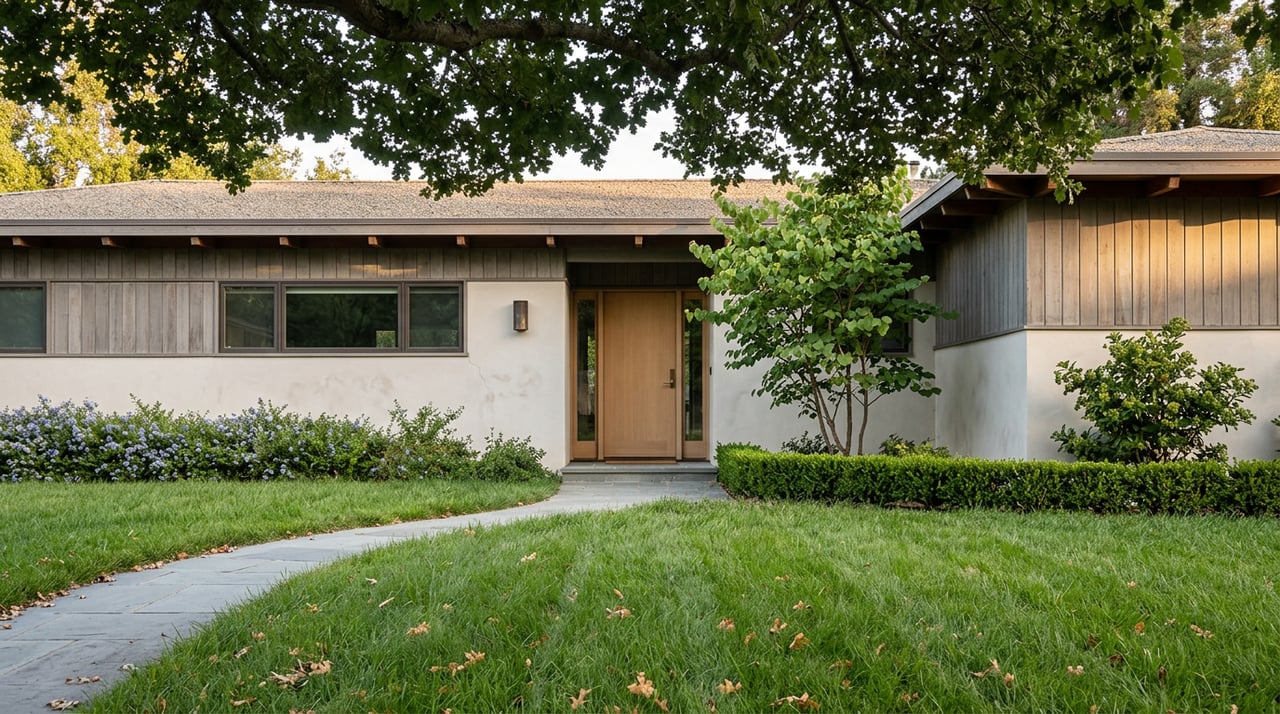
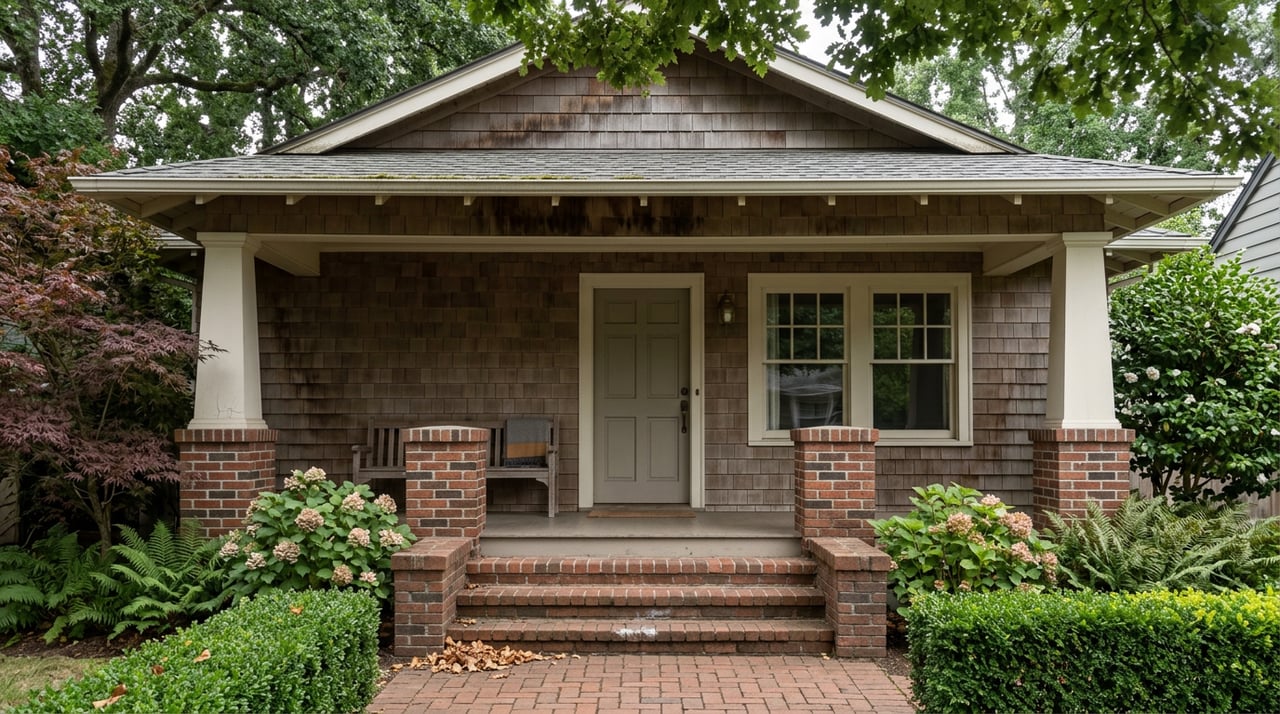
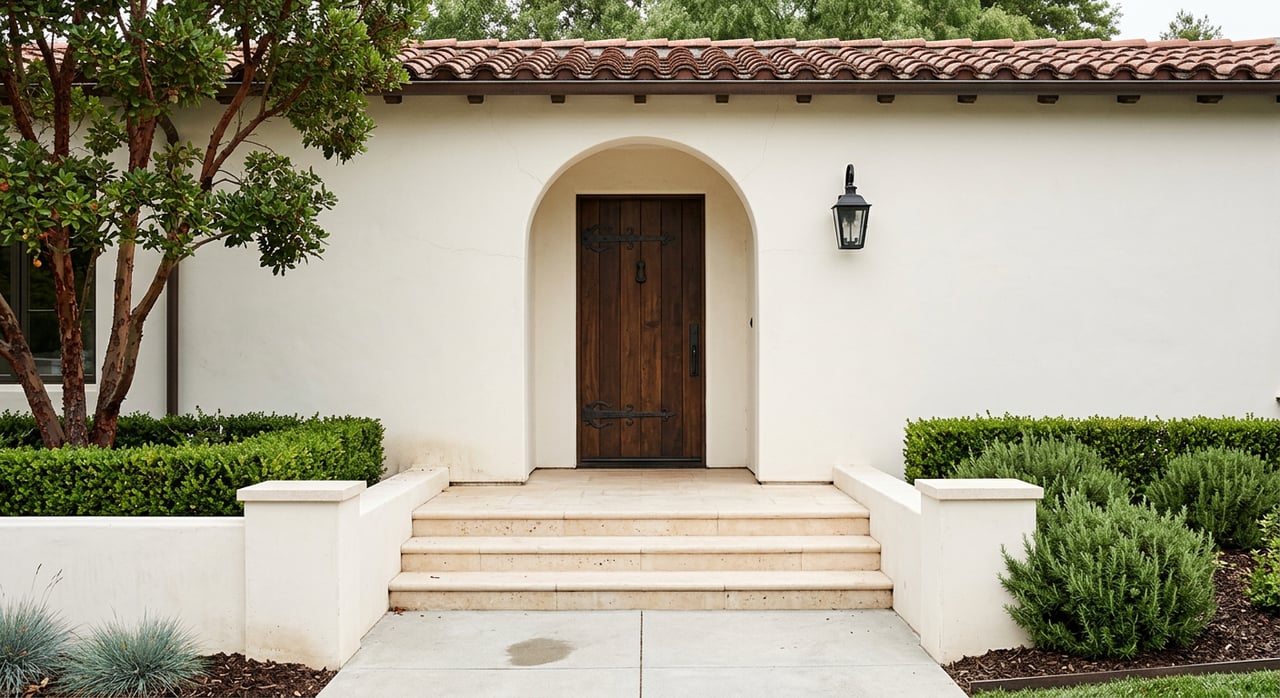
Curb appeal sets the tone, and small changes go a long way. Fresh landscaping, a crisp front door, tidy hardscape, and well‑defined pathways help buyers feel welcome. On the inside, fix obvious mechanical issues that can derail a deal, such as active roof leaks, HVAC failures, or clear electrical and plumbing defects. NAR’s Remodeling Impact Report shows that targeted updates and exterior improvements often deliver the best balance of cost and return for sellers on a 6 to 18‑month timeline (2025 NAR Remodeling Impact Report).
- Repair leaks, service HVAC, and resolve visible safety concerns.
- Refresh the front approach with trimmed hedges, seasonal planters, and clean house numbers.
- Update exterior lighting for warmth and security.
Targeted kitchen and bath refreshes
If your goal is to sell within the next year, favor light‑touch upgrades over full gut remodels. New counters, updated hardware and fixtures, modern lighting, and a modest appliance swap can make rooms feel current without pushing into long, discretionary review timelines. Keep finishes neutral and consistent, and let buyers envision their own higher‑end customizations later.
Honor period details buyers value
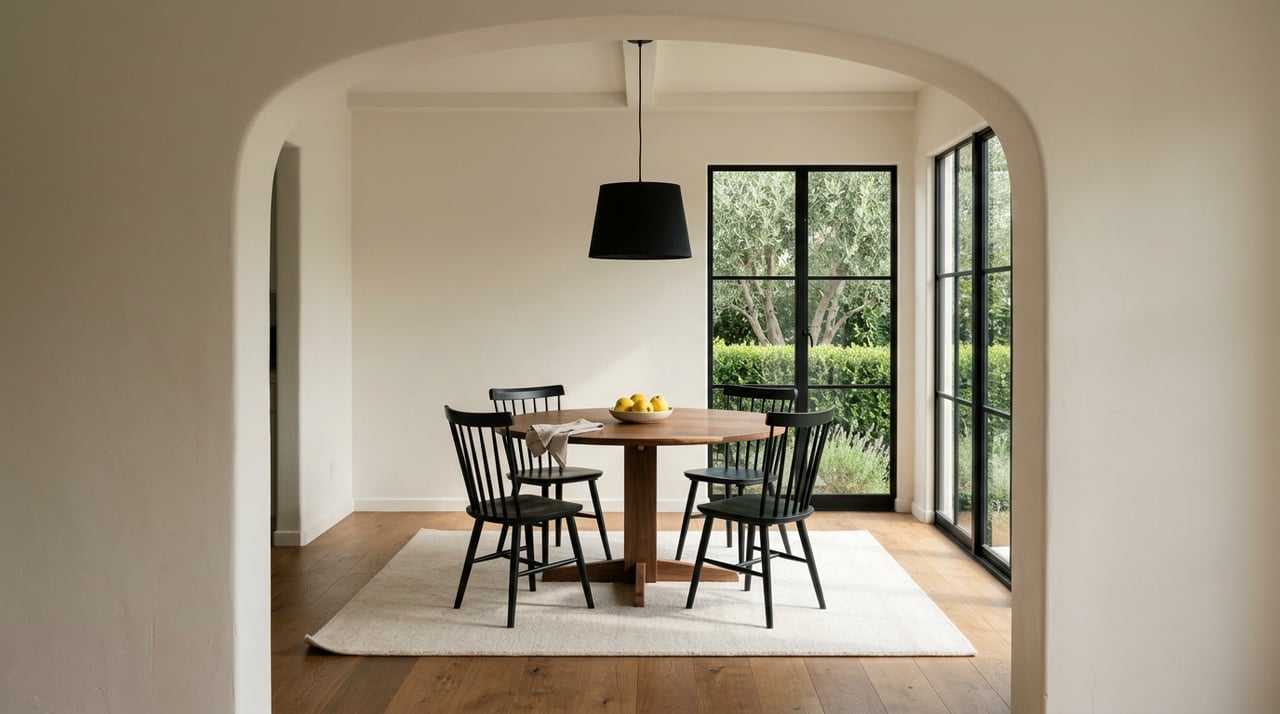
Piedmont’s architectural character is a feature, not a flaw. Preserve original elements like classic trim, built‑ins, or arched openings when possible, and make modernizations that feel sympathetic to the home. The city’s design guidance encourages sensitivity to site and neighborhood context, which aligns with what many premium buyers expect (design and preservation guidance).
When to skip the big projects
Large additions, significant structural changes, or ADUs that trigger discretionary review can push your sale well past the optimal window. They also add inspection and re‑inspection complexity that can make buyers hesitate. If you are targeting a spring or summer close, focus on presentation and repairs rather than scope that will need Planning Commission review or lengthy plan checks (permit timing overview).
Pricing and launch strategy
Use a current, local Comparative Market Analysis based on recent MLS sales to set a defensible list price. Piedmont’s small size and varied architecture mean price per square foot can swing across micro‑locations and property types. An accurate pricing band, paired with standout presentation, can create early momentum and strong terms.
If you want maximum visibility with school‑focused buyers, set your timeline for a spring or early‑summer close and plan your prep backward from that date. Avoid the trap of overpricing to “leave room” for negotiation. In small, low‑inventory markets, a stale listing can cost you far more than a tight, well‑supported launch price.
Pre‑listing timeline and checklist
Use this simple schedule to reduce surprises and keep your listing on track.
12–18 months out
- Decide whether any large projects are worth doing and confirm whether they would be ministerial or discretionary. Start design and city conversations early if you plan to add square footage or reconfigure exterior elements (design review overview).
6–9 months out
- Gather bids for targeted kitchen and bath refreshes, paint, floors, and landscaping.
- If you plan to leverage a brokerage‑supported improvement program to cover eligible updates and staging, review terms and timelines now. As a Compass‑affiliated advisor, Dan can help you evaluate and coordinate Compass Concierge for eligible, pre‑approved work.
2–3 months out
- Complete cosmetic work, then schedule professional staging and photography.
- Order pre‑listing inspections: general home, termite/WDO, and any needed roof or structural checks.
- If you do not have a current PSL Compliance Certificate, schedule a sewer lateral pre‑inspection and plan remediation if needed (PSL program details).
0–6 weeks out
- Finalize disclosures, including the Transfer Disclosure Statement and required California forms (disclosure overview).
- Confirm HOA documents if applicable, verify permit records, and assemble a complete digital package for buyers.
- Review a fresh CMA, set your list price, and choose your launch week to align with your target close.
Marketing that resonates in Piedmont
Your marketing should highlight what buyers value most in this market:
- Proximity context for schools and recreation in neutral, factual terms, supported by third‑party resources where appropriate (Piedmont school profiles).
- Preserved period details and thoughtful updates that feel true to the home.
- Move‑in readiness, with inspections and key compliance items already handled.
- Any permitted ADU or JADU that meets local standards, with documentation ready for review.
Pair the message with high‑end media: twilight photography, measured floor plans, short‑form video, and staging that prioritizes the living room, primary suite, and kitchen. The data supports this focus for luxury listings (NAR staging research).
A strong Piedmont sale is about clarity and confidence. When you present a well‑kept home with the right story, you help buyers act decisively and you protect your price. If you want a calm, coordinated process with premium marketing and white‑glove project management, connect with Dan Walner for a confidential consultation.
FAQs
What inspections are required to sell a home in Piedmont?
- Most sellers order a general home inspection, termite/WDO report, and roof or structural checks as needed, plus verify Private Sewer Lateral status and complete California disclosures.
How long do Piedmont permits and design review take before listing?
- Administrative design review can be about 10–14 days, staff review around 40 days, and Planning Commission cases longer, with building plan reviews often 2–8 weeks depending on scope.
Do I need a Private Sewer Lateral certificate to close in Piedmont?
- A PSL Compliance Certificate is commonly required at sale, with options like a Time Extension Certificate in some cases if work is not complete at closing.
Which pre‑sale updates have the best ROI in Piedmont?
- Staging key rooms, neutral paint, curb appeal, and fixing obvious mechanical issues usually outperform major remodels on a 6–18 month sale timeline.
When is the best time to list a Piedmont home for school‑focused buyers?
- Aim for a spring or early‑summer close, then work backward to schedule prep, inspections, and disclosures so you can launch cleanly into that window.