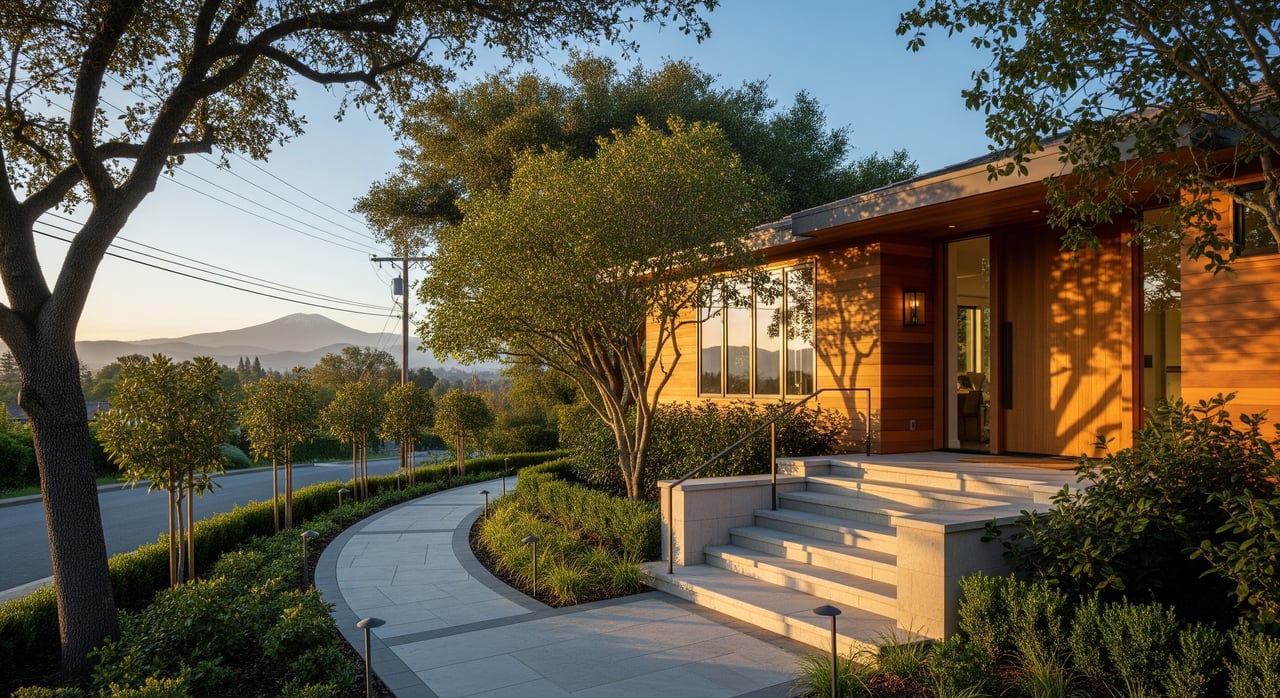
Are you picturing quieter mornings, more room to unwind, and trailheads minutes from your door? If you are weighing a move from San Francisco or the Peninsula, Walnut Creek gives you space without giving up convenience. In this guide, you will see how the commute works, what daily life looks like downtown, where to enjoy the outdoors, and what types of homes you can expect. Let’s dive in.
Why Walnut Creek appeals
Walnut Creek offers a mid-sized East Bay setting with a compact, walkable downtown and frequent regional transit. You get more interior and outdoor space than many Peninsula neighborhoods while staying connected to job centers. The city is still an expensive Bay Area market by national standards, but many buyers find the value tradeoff compelling. You can maintain a city-adjacent lifestyle without the daily density.
Commute options at a glance
BART to San Francisco
The centrally located Walnut Creek BART station serves regular trains to downtown San Francisco and other East Bay destinations. Station-to-station travel to downtown SF typically takes about 30 to 45 minutes, depending on line routing and stops. Trips to the Peninsula often require a transfer or a different route and can take longer. Check peak and off-peak schedules, parking rules, and last-mile plans before you rely on a routine.
Driving via I-680 and bay crossings
I-680 is the primary north-south corridor linking Walnut Creek to the South Bay and to other routes like I-580 and Highway 24. To reach San Francisco by car, most drivers connect to the Bay Bridge, with time and cost affected by bridge tolls and congestion pricing when applicable. Travel times vary widely by departure time and incidents, so expect more volatility than rail. Parking in San Francisco or at Peninsula offices is a key factor in your day-to-day plan.
Last-mile and multi-modal choices
Local buses and employer shuttles can bridge the gap between neighborhoods and the BART station. Walnut Creek has bike-friendly corridors and trail connections, though hilly terrain and busy arterials can add complexity. Many commuters use ride-share for drop-offs and backup flexibility. Carpools and park-and-ride lots are helpful for peak-hour predictability.
Quick commute testing tips
- Compare door-to-door BART and driving times during a weekday rush hour.
- Test your preferred parking plan at the station or office garage.
- Try a hybrid routine, like BART in the morning and carpool or ride-share in the evening.
- Track weekly variability to see which mode fits your schedule.
Parks and open space
In-town favorites
Heather Farm Park and Gardens offers community recreation, playgrounds, and sports fields for easy weekday or weekend outings. Civic Park gives you downtown green space and seasonal cultural events. The Ruth Bancroft Garden is a specialty botanical garden that draws plant lovers and design-minded visitors.
Trail access close to home
Shell Ridge and Lime Ridge open spaces provide extensive trails with hilltop views. You can hike, trail run, or walk your dog on paths that feel miles away from the bustle. The abundance of nearby open space is a major perk for buyers coming from denser urban areas.
Weekend day trips
Mount Diablo State Park is a short drive away, with long hikes, scenic overlooks, and a peak seen from much of Contra Costa County. The Lafayette Reservoir and surrounding regional parks add paved loops, picnic areas, and water views. You can plan an easy Saturday morning outing without a long car ride.
Downtown lifestyle and culture
Walkable core and shopping
Downtown Walnut Creek centers around the BART station and Broadway Plaza. The core is compact and easy to navigate on foot, with national retailers and independent shops. You will find coffee spots, bakeries, and cafes tucked between boutiques and services.
Dining, arts, and events
The dining scene ranges from casual to upscale, with options for weeknight takeout and weekend date nights. The city hosts seasonal events, farmers markets, and live performances through its cultural venues. Evening entertainment and neighborhood eateries make it easy to stay local after work.
Everyday convenience
Grocery stores, medical clinics, and professional services line downtown streets and nearby corridors. You can run errands, grab dinner, and meet friends without crossing the entire city. For many commuters, this mix makes weekday life smoother.
Homes and what to expect
Common home types
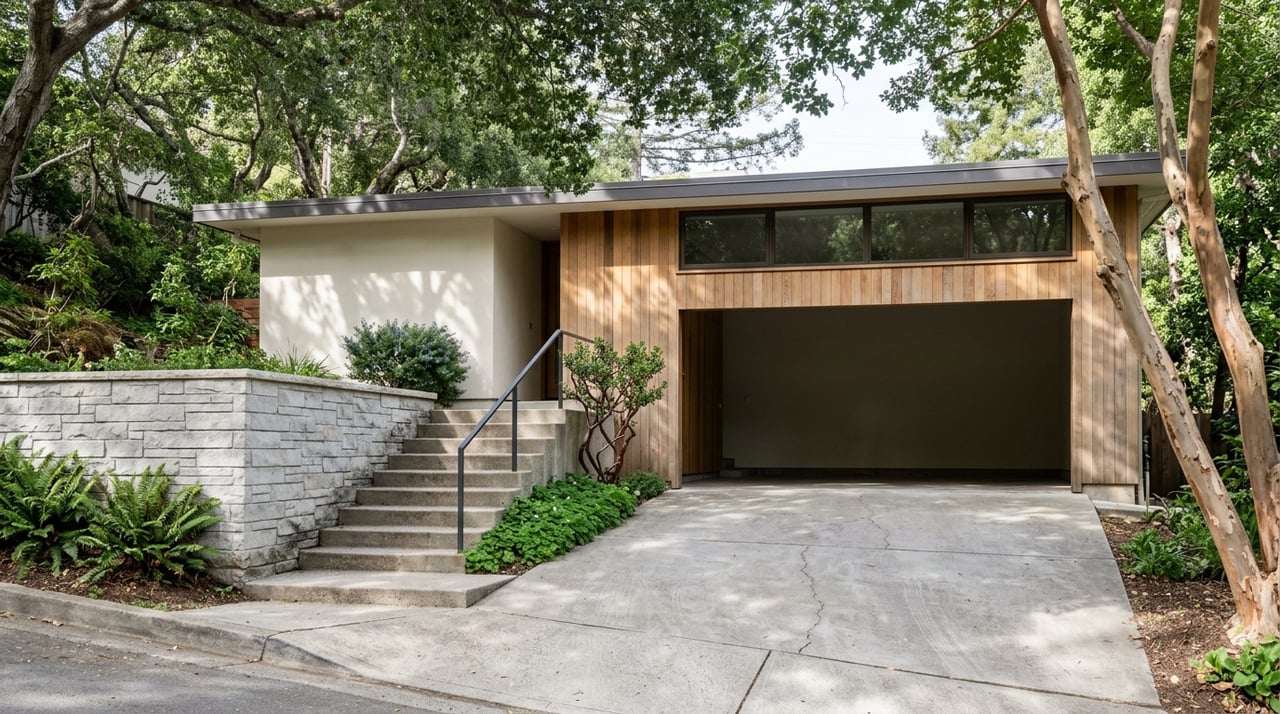
Single-family homes are the dominant choice, from classic mid-century ranches to remodeled properties and newer infill builds. Townhomes and condos cluster near downtown and transit, appealing to buyers who want lower maintenance and walkable amenities. Hillside and estate properties offer larger lots, views, and a higher price tier. There are also 55-plus and assisted living options for downsizers.
Price context and tradeoffs
Walnut Creek is an expensive market within the Bay Area, yet it generally offers more interior square footage and yard space than central San Francisco and much of the Peninsula at similar budgets. Expect premiums for proximity to downtown and BART. Homes farther into the hills may deliver larger lots and views, but with steeper terrain and longer local drives. Because pricing and inventory change quickly, reviewing fresh market data is essential before tours.
Matching homes to priorities
Commuting professionals often favor condos or townhomes close to BART to reduce door-to-door travel time. Buyers who value more indoor space and a yard tend to look at mid-city residential areas with convenient services. Empty nesters and downsizers frequently prefer downtown condos where daily needs are a short walk away. Decide whether you value a shorter commute, more land, or a walkable routine, then sort neighborhoods accordingly.
Neighborhood starting points
Downtown and BART-adjacent
You will see a mix of condos and townhomes, plus some smaller single-family pockets. Walkability to shops, dining, and the station is the key draw. Parking can be tighter during business hours and events, so test your routine on a weekday.
Mid-city residential blocks
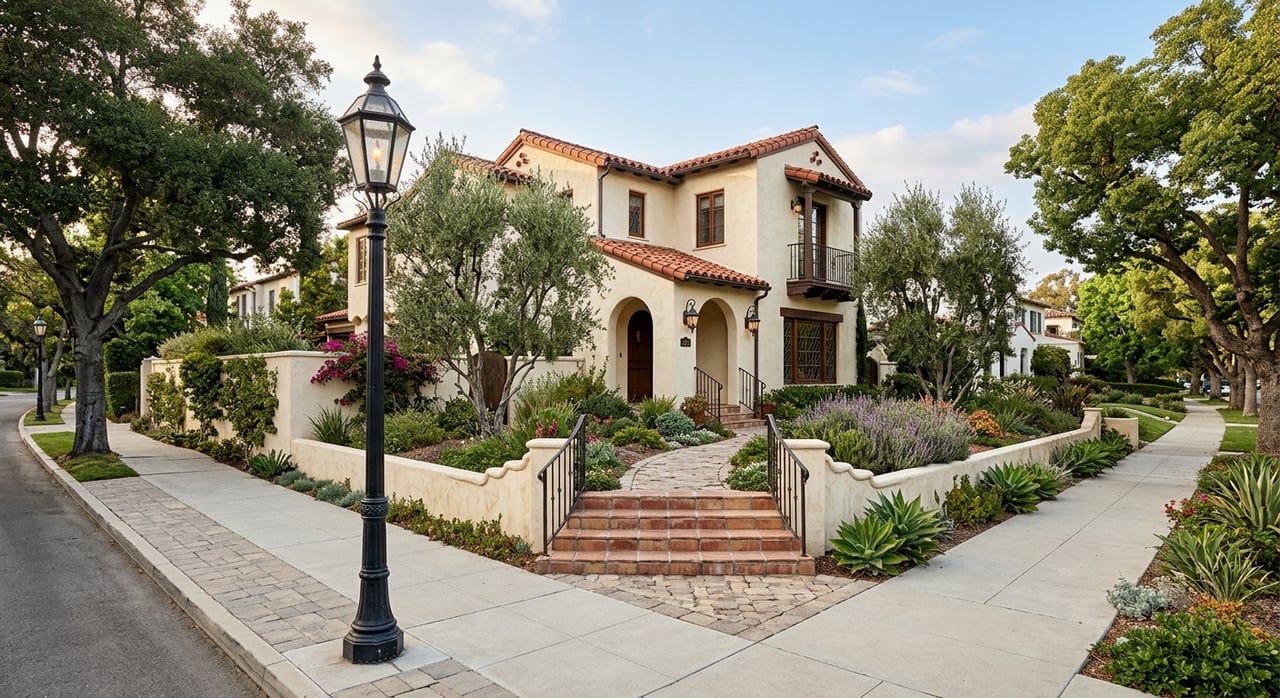
These areas feature predominantly single-family homes on tree-lined streets. You will find neighborhood parks and everyday services within a short drive. Commutes can be balanced with local driving to BART or direct driving routes depending on your schedule.
Hills and foothills
Hillside neighborhoods trade immediate transit access for space, views, and quieter streets. Expect steeper drives and more car-oriented daily routines. Many buyers appreciate the sense of retreat while remaining a short trip from downtown.
Commercial corridors and edges
You may find newer developments and more car-oriented layouts along major corridors and city edges. These pockets can be practical for shoppers who want quick regional freeway access. Compare traffic patterns during peak hours to confirm day-to-day convenience.
Practical planning checklist
- Clarify your commute priorities. Compare BART and driving times during your typical rush hour.
- Visit at different times. See downtown and target neighborhoods on a weekday evening and a weekend morning.
- Define your must-haves. List yard size, number of bedrooms, home type, parking, and walkability.
- Understand ownership costs. Review property taxes, potential HOA dues for condos or townhomes, and utilities.
- Set a timeline with market data. Review recent comparable sales and active inventory to focus your search.
- Preview neighborhoods efficiently. Start with one downtown option, one mid-city area, and one hillside area to learn tradeoffs.
How to get started with tours
If you are early in your move, start by mapping your daily life. Pin your likely commute, favorite parks, and go-to services such as gyms, coffee, and groceries. Then match two or three neighborhoods to those routines. A short, well-structured tour will show you the differences in commute feel, street character, and home styles.
When you are ready to see homes, bring a mix of options. Compare a downtown condo or townhome against a mid-city single-family and a hillside property. You will learn quickly which lifestyle tradeoffs matter most. If you want off-market opportunities or need discreet scheduling, a local advisor can coordinate previews to fit your calendar.
A calm move, made simpler
Walnut Creek pairs space, trails, and a lively downtown with reliable regional transit. With a little planning, you can align commute timing, daily convenience, and the home features that matter most to you. When you are ready to explore neighborhoods and discuss off-market options or a pricing strategy, connect with Dan Walner for a confidential market consultation tailored to your goals.
FAQs
How long is the commute to downtown San Francisco from Walnut Creek?
- Station-to-station BART times commonly run about 30 to 45 minutes, while driving varies widely by time of day and traffic.
Is there parking at the Walnut Creek BART station?
- Yes, but capacity, permits, and fees change over time, so review current parking rules and consider ride-share or bus drop-offs as backups.
How walkable is downtown Walnut Creek from the BART station?
- Downtown is compact and walkable around the station and Broadway Plaza, with shops, dining, and services within a short stroll.
Which Walnut Creek areas are closest to major trailheads?
- Neighborhoods near Shell Ridge and Lime Ridge provide quick access to extensive trails, while most areas are a short drive from regional parks.
What home types are most common near downtown versus the hills?
- Downtown and station-adjacent areas lean toward condos and townhomes, while hills and foothills tend to feature larger single-family homes and estates.
Do condos and townhomes in Walnut Creek have HOA dues?
- Most attached homes have HOA fees that cover shared maintenance and amenities, with amounts and inclusions varying by community.