If you are thinking about selling an Alamo luxury home, the wrong pre-listing project can waste time, add stress, and do very little for your final result. The right project mix can do the opposite. In a market where homes are moving quickly, a focused plan helps you present your property at its best before photos, showings, and launch. Let’s dive in.
Why prep matters in Alamo
Alamo is a high-value, largely owner-occupied market. Census data show median household income above $250,000, median owner-occupied home value above $2,000,000, and an owner-occupied rate of 91.8%. That means many sellers are preparing substantial properties for a buyer pool that tends to notice both presentation and condition.
Timing also matters. Redfin reported a median Alamo sale price of $2.698 million in May 2026, with homes selling in about 9 days and many selling above list price. In that kind of environment, your home should be ready before photography and before the listing goes live.
Start with visible impact
For most Alamo luxury homes, the best pre-listing strategy is not a full overhaul. It is a front-loaded plan that improves what buyers see first and what they notice most. That usually means curb appeal, paint, flooring, and selective finish updates before considering larger remodels.
NAR’s 2025 outdoor-features report found that 92% of REALTORS recommend curb appeal improvements before listing. The same report said 97% view curb appeal as important for attracting a buyer, and 98% say it matters to potential buyers.
Focus on the approach and entry
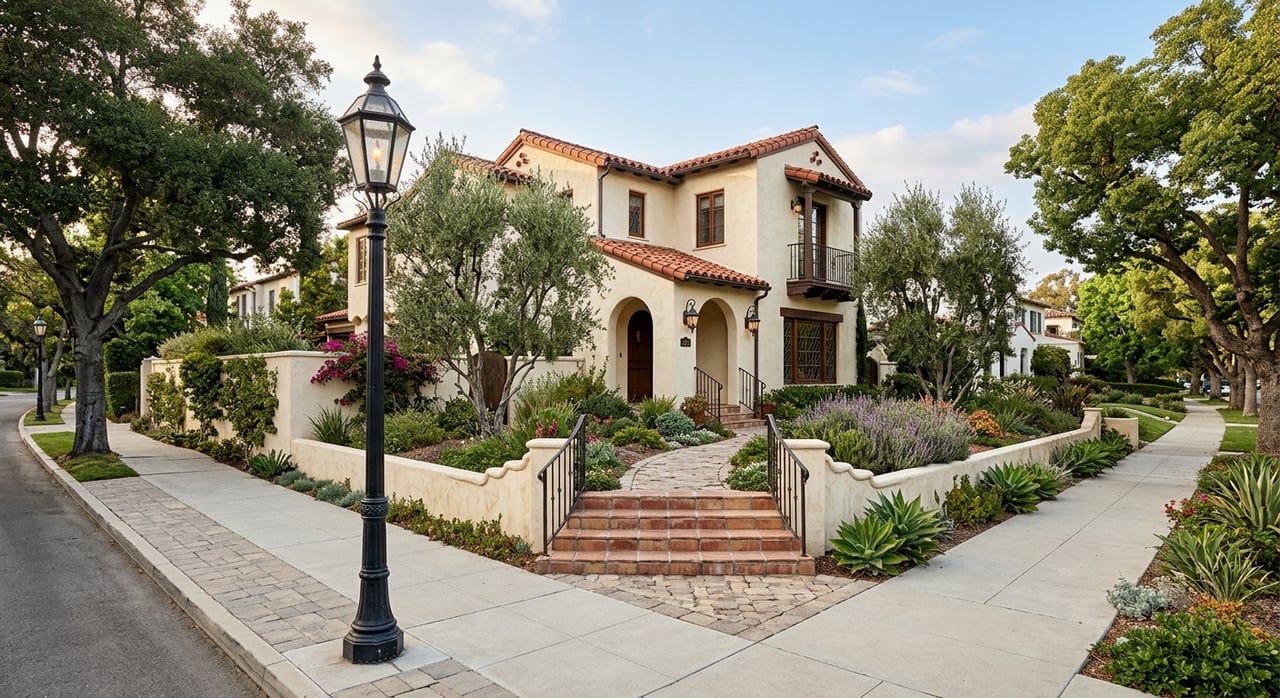
On an Alamo estate or large-lot property, buyers are often judging the full arrival experience, not just the front door. They notice the drive up, the condition of planting beds, the irrigation, the hardscape, and whether the front entry feels crisp and cared for. That is why exterior prep often delivers more value than sellers expect.
A smart refresh can include:
- Pruning overgrown trees and shrubs
- Refreshing mulch and planting beds
- Repairing or adjusting irrigation
- Replacing tired seasonal color or dead plant material
- Cleaning walkways, steps, and entry surfaces
- Touching up gates, fences, and visible trim
California’s Department of Water Resources notes that about 40% of household water use is outdoors. It also points to climate-adapted plants, soil improvements, and efficient irrigation as key tools for water-efficient landscape design. In practical terms, that supports selective landscape improvements over a full rebuild unless your grounds have clear functional problems.
Avoid overbuilding the landscape
A full landscape redesign can be expensive, time-consuming, and more complex than it first appears. For many sellers, a cleaner and more efficient version of the existing landscape is the better move. You want the property to feel polished and easy to understand, not like an unfinished construction zone.
This is especially true if changes affect large outdoor areas or irrigation systems. California’s Model Water Efficient Landscape Ordinance emphasizes water-efficient standards, climate-adapted planting, and efficient irrigation. On larger Alamo lots, even aesthetic outdoor work may need to be planned with those rules in mind.
Prioritize cosmetic interior updates
Inside the home, the strongest case is often for lighter-touch improvements. NAR’s 2025 Remodeling Impact Report says REALTORS most often recommend painting the entire home, painting a single room, and installing new roofing before listing. The same report also notes rising demand for kitchen upgrades and bathroom renovations, but that does not automatically mean a full remodel is the best use of your budget.
Paint gives the biggest reset
Fresh paint is one of the simplest ways to make a luxury home feel brighter, cleaner, and more current. It can unify rooms, reduce visual distraction, and help architecture and natural light stand out. In many homes, this single step changes the feel of the entire property.
For Alamo sellers, paint is often most effective when it supports a calm, neutral presentation. The goal is to make the home feel move-in ready and well maintained, not overly personalized.
Floors deserve attention
Floors carry a lot of visual weight, especially in larger homes with open sight lines. NAR’s remodeling guidance notes that refinishing hardwood floors can recover 147% of cost at resale, while new wood flooring can recover 118%. Those are strong numbers for projects that buyers notice immediately.
If your existing hardwoods are worn, scratched, or dull, refinishing may be one of the smartest pre-listing investments you can make. If flooring is inconsistent from room to room, selective replacement may help create a more cohesive presentation.
Refresh kitchens and baths selectively
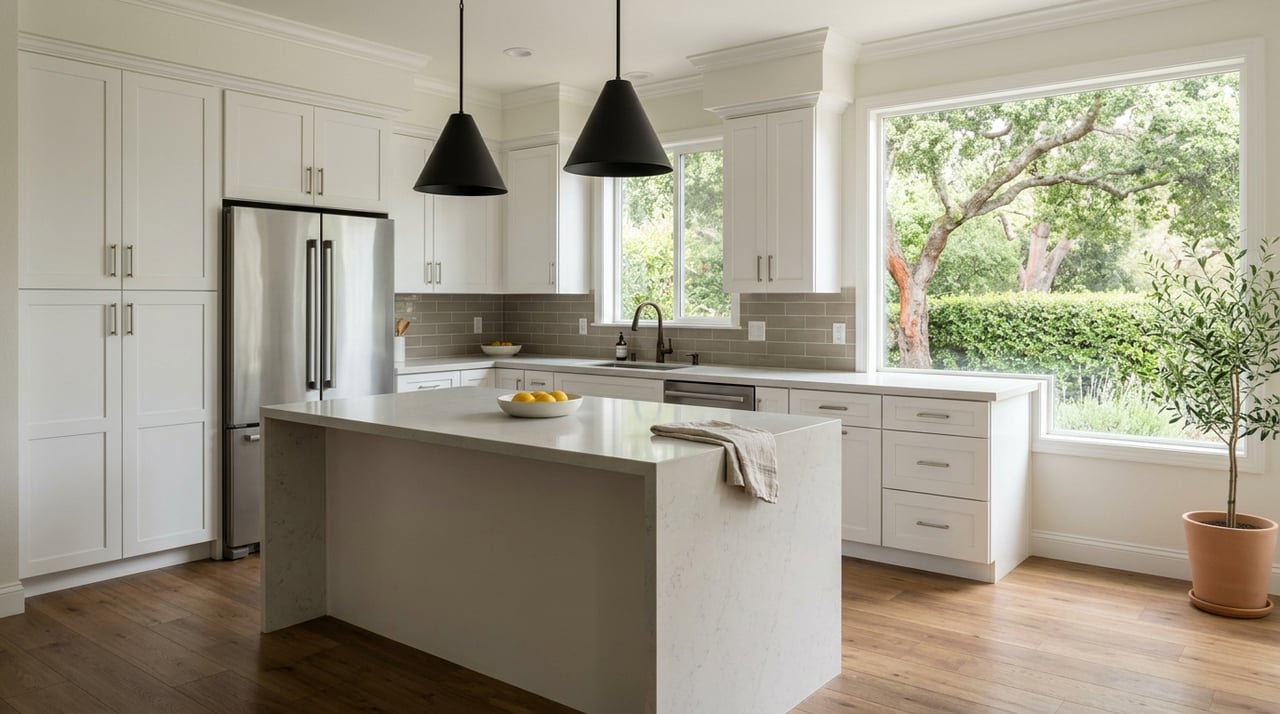
Luxury sellers sometimes assume they need a full designer renovation to compete. The data suggest otherwise in many cases. Pacific Cost vs Value figures show a minor kitchen remodel recouped 134.3% of cost, while a major kitchen remodel recouped 67.8% and an upscale kitchen remodel 54.6%.
Bathrooms tell a similar story. A midrange bath remodel recouped 95.6%, while an upscale bath remodel recouped 59.3%. That supports a selective approach focused on paint, lighting, hardware, fixtures, counters, and finish touch-ups unless the space is truly dated or functionally compromised.
Improve the threshold details
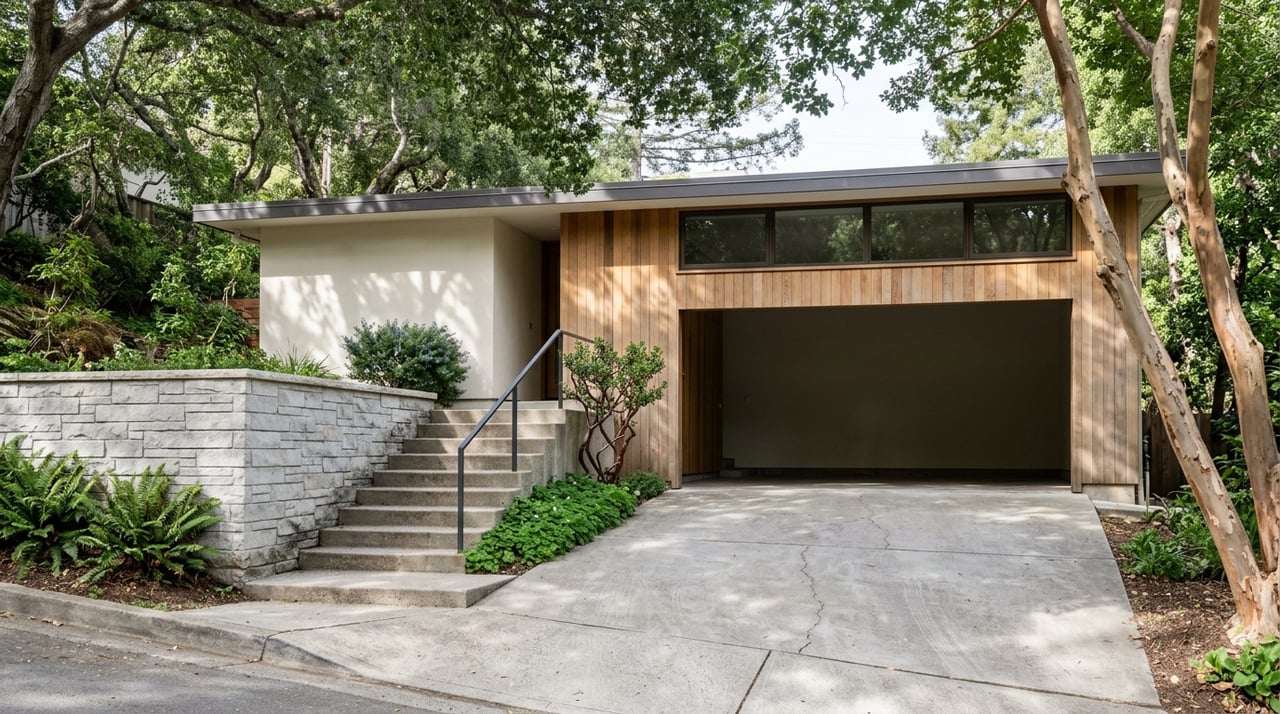
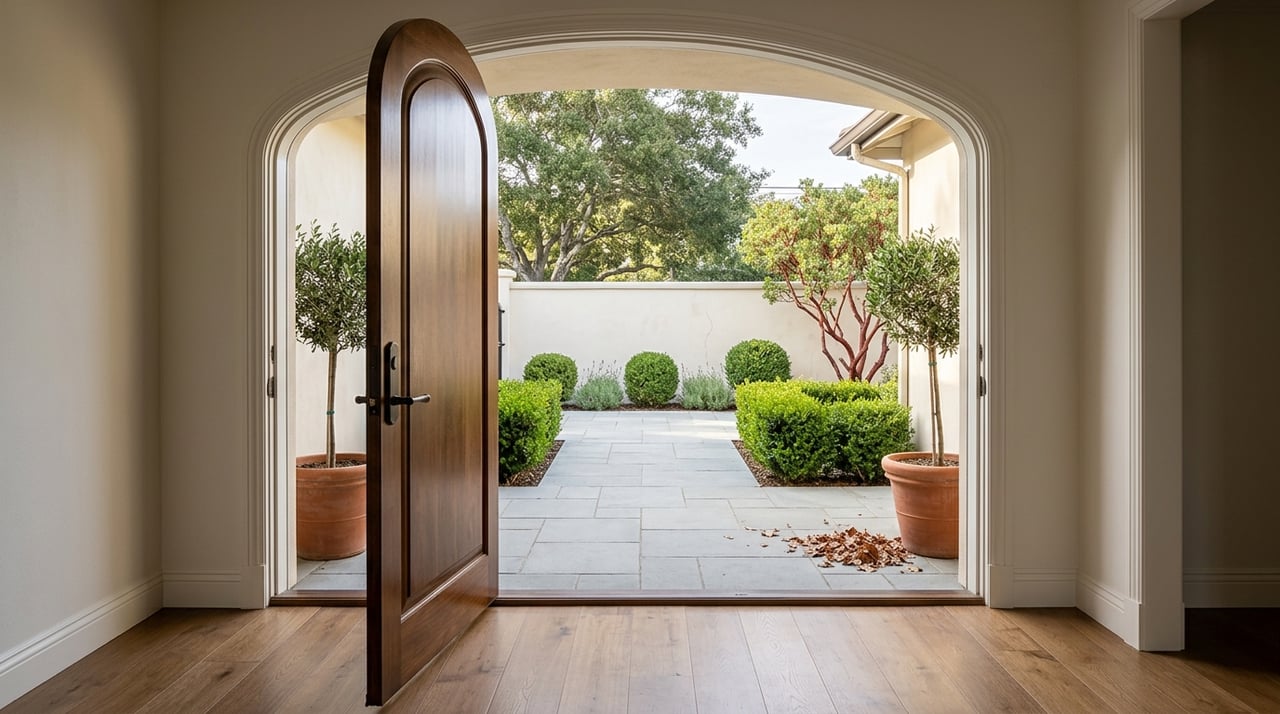
The most effective luxury prep often happens at the places buyers touch and remember. Entry doors, garage doors, trim, and exterior finishes can shape the first impression more than an expensive hidden upgrade. These items also signal whether the home has been maintained with care.
In the Pacific region, several exterior projects showed strong cost recovery. Garage door replacement recouped 250.7%, steel front door replacement recouped 249.9%, manufactured stone veneer recouped 203.5%, fiber-cement siding recouped 115.7%, and a wood deck addition recouped 111.1%.
That does not mean every seller should replace doors or add exterior materials. It does mean visible threshold improvements can outperform more expensive interior overbuilding. If your front door, garage door, or deck feels tired compared with the rest of the home, those areas may deserve a closer look.
Estate homes need a different timeline
Large custom homes and estate properties are rarely simple prep jobs. The grounds are bigger, the systems are broader, and the number of moving parts tends to increase quickly. That is one reason a measured plan matters so much in Alamo.
NAR’s outdoor report says 79% of landscape professionals have seen project scope increase since before the pandemic. NAR’s 2025 remodeling report also says 57% of NARI members observed larger project scopes over the past two years. For sellers, that supports starting earlier, defining scope carefully, and sequencing work in a realistic order.
Use a phased plan
A phased plan reduces stress and protects your timeline. It also helps you avoid the common mistake of opening too many projects at once. In a market where homes can move fast, delays before launch can be costly.
A practical order often looks like this:
- Walk the property and identify visible issues
- Separate must-do repairs from optional upgrades
- Tackle landscaping, paint, and flooring first
- Address selective kitchen, bath, and lighting updates
- Complete deep cleaning, staging, photography, and launch prep
Expect coordination challenges
Homeowners often underestimate how stressful remodeling can be. NAR cites research showing 43% experienced increased stress from repairs, maintenance, and remodeling, while 33% said finding the right service providers was the biggest challenge. That is even more relevant for estate homes with multiple vendors and overlapping scopes.
A coordinated project manager mindset helps. You want one clear strategy, realistic deadlines, and a decision process that keeps the listing date in view.
Know when permits may matter
Because Alamo is an unincorporated Contra Costa County community, county rules are the local framework for many improvements. Contra Costa County says many projects require planning approval before building permits, and almost all projects require permits. The county specifically notes exterior and interior remodels, grading, outdoor kitchens, pergolas, decks, pools, and other new structures.
That matters for sellers because permit-related work can affect both timing and scope. If you are considering anything beyond cosmetic updates, it is wise to evaluate approval requirements early rather than discovering them mid-project. Contra Costa County processes building, planning, and public works applications through its digital ePermits Center.
How much should you spend?
The short answer is this: spend where buyers will see it, and be careful about over-improving. In the Pacific region, smaller targeted projects often outperformed upscale kitchen and bath remodels on resale. That is a strong reason to stay disciplined.
For many Alamo luxury homes, the sweet spot is a curated package of improvements that makes the home feel fresh, maintained, and market-ready. You do not need to win a design award. You need to make it easy for buyers to say yes.
A smart pre-listing mindset
If your home is fundamentally attractive but needs polish, start with curb appeal, paint, floors, and selective finish work. If the kitchen or baths are severely dated or function poorly, a more substantial update may be justified. But in many cases, the highest-value move is not a major remodel. It is a calm, strategic plan with visible impact and minimal friction.
That kind of planning is especially important in Alamo, where presentation, timing, and discretion all matter. With the right scope and the right sequence, you can enter the market prepared instead of rushed.
If you are weighing which improvements are worth doing before you sell, Dan Walner can help you build a focused, confidential plan with concierge-level coordination tailored to your property and timeline.
FAQs
What pre-listing improvements matter most for Alamo luxury homes?
- For many Alamo luxury homes, the strongest first moves are curb appeal, paint, flooring, and selective kitchen or bath refreshes rather than major full-scale remodels.
When should Alamo sellers start pre-listing work?
- Because Redfin reported homes selling in about 9 days in Alamo, pre-listing work should ideally be finished before photography and before the home goes live on the market.
Do large-lot Alamo properties need a different prep strategy?
- Yes. Large-lot and estate properties often require more coordination because buyers evaluate the grounds, entry, and outdoor living areas along with the house itself.
Do permits matter for Alamo home improvements before listing?
- Yes. Since Alamo is unincorporated Contra Costa County, many projects fall under county planning and permit rules, especially remodels, grading, decks, pergolas, pools, and new outdoor structures.
Should you remodel a luxury kitchen before listing in Alamo?
- Not always. The research supports lighter-touch kitchen updates in many cases, since minor remodels showed stronger cost recovery than major or upscale kitchen remodels in the Pacific region.