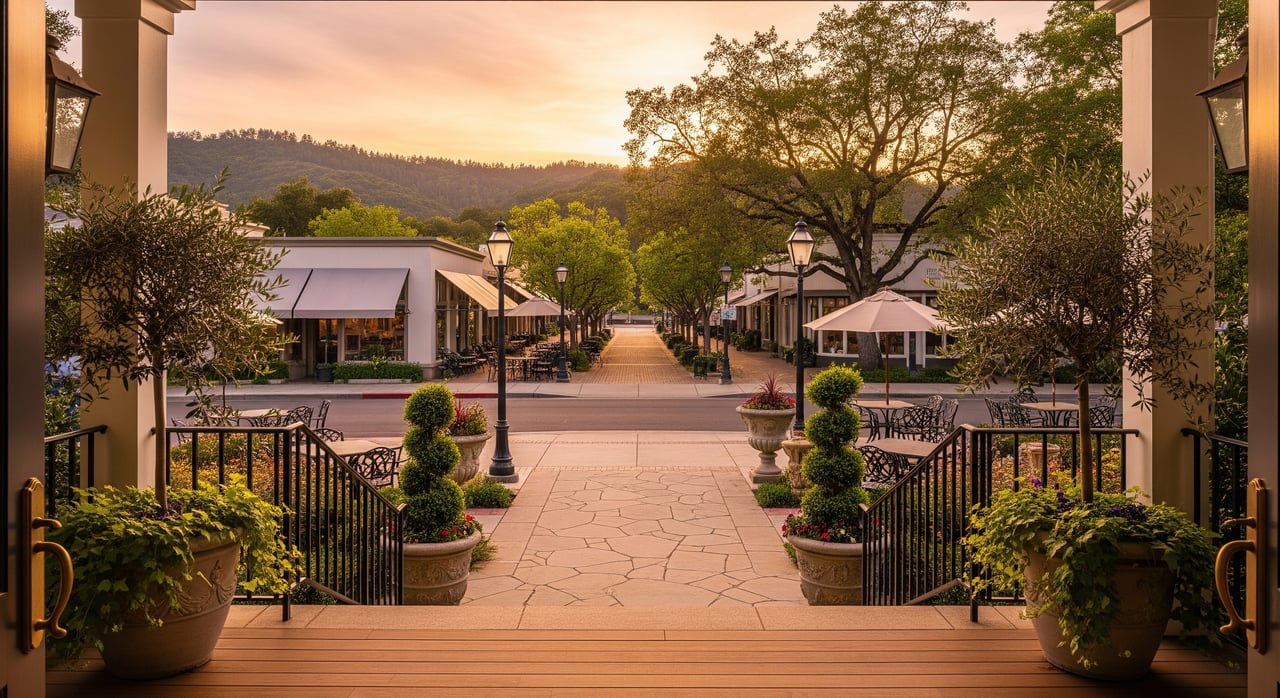
Do you picture your mornings starting with a quick stroll to coffee, a bagel, and the BART platform? If you are comparing East Bay communities, Lafayette’s walk-to-town lifestyle is one of the most asked-about features. You want to know what is truly walkable, how it feels day to day, and the tradeoffs to expect. This guide lays out realistic walking distances, where that lifestyle is feasible, and how to decide if it fits your priorities. Let’s dive in.
What “walk-to-town” means here
In Lafayette, walk-to-town typically means being within about 5 to 15 minutes on foot from the downtown core along Mt. Diablo Boulevard. That usually translates to roughly 0.25 to 0.5 miles. The catch is topography and crosswalk timing. A flat 0.5-mile walk can feel easy, while a sloped 0.4-mile route with busy crossings can feel longer.
When locals say “town,” they usually mean the Mt. Diablo Boulevard corridor, the Lafayette BART station, the library, and everyday services like grocery and pharmacy. If you plan to push a stroller or prefer minimal stairs, think in minutes, not miles. Sidewalk quality, slopes, and signal timing matter as much as distance.
Where walk-to-town is realistic
The core near Mt. Diablo Boulevard
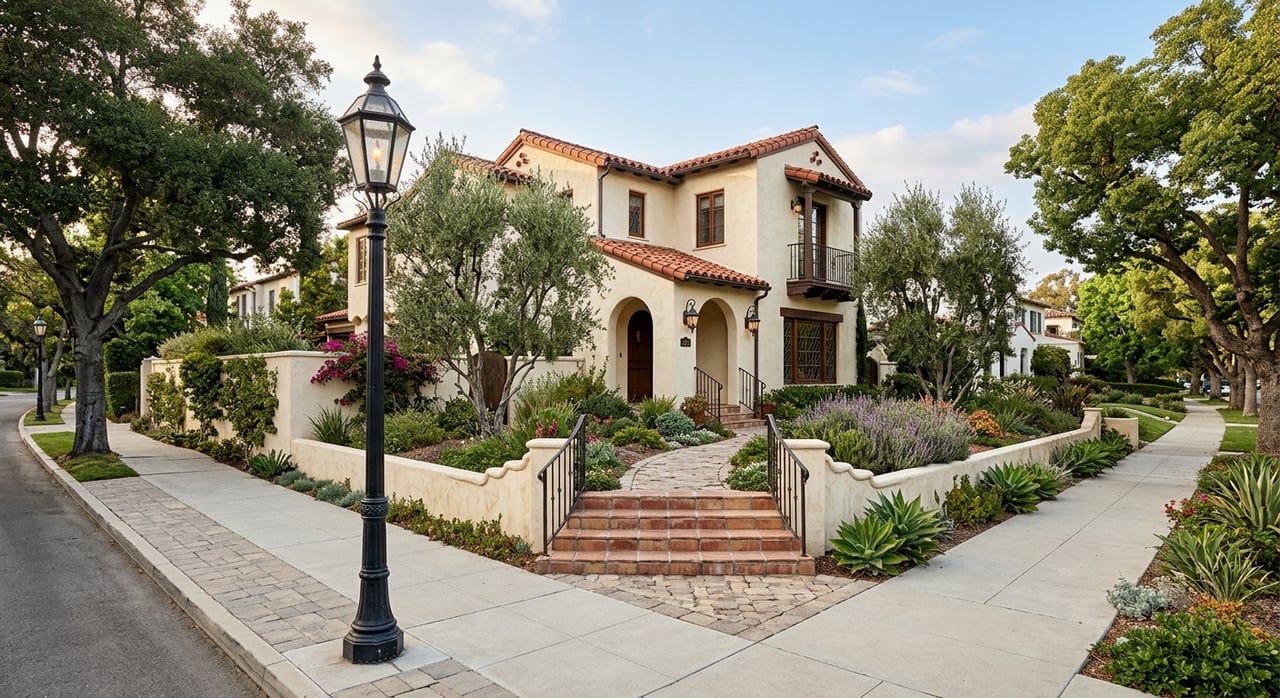
Homes within a few blocks of Mt. Diablo Boulevard and the BART area offer the strongest walkability. You will see clusters of townhomes and condos, plus smaller-lot single-family homes. Sidewalks are more continuous here, and most daily needs sit within a short walk.
Transition blocks just beyond the core
One to two blocks beyond the commercial strip can still deliver easy walking to restaurants and shops. These streets feel more residential, with yards and driveways. You may notice fewer sidewalk improvements or narrower walkways, which can slightly affect the experience with strollers or mobility devices.
Hills, slopes, and microclimates
Lafayette sits in the western foothills of Mt. Diablo. A home that appears close on a map may include a notable slope. Walk the route you would actually take at the time of day you would use it. Small elevation changes can influence whether a daily walk feels practical.
Home types you will find close in
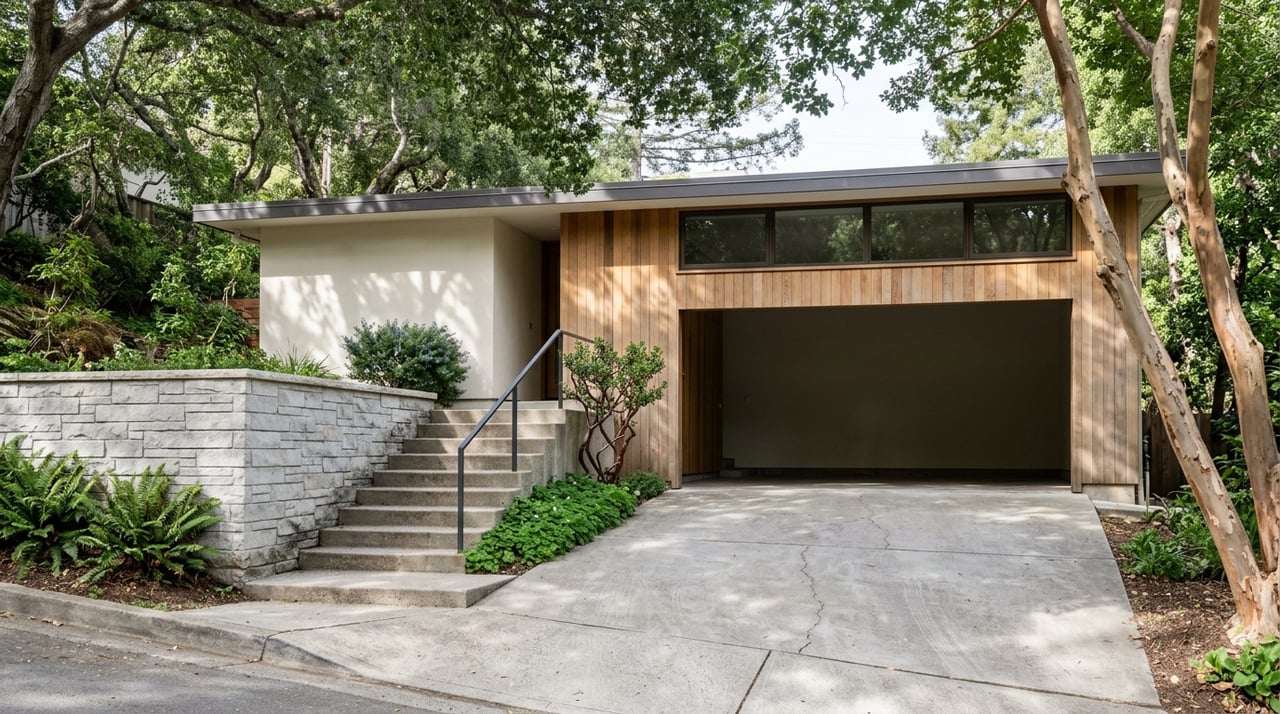
- Small-lot single-family homes, including older Craftsman, ranch, and mid-century styles.
- Townhomes and condominiums within a short radius of the commercial spine and BART.
- Mostly mature housing stock. Newer infill exists but large new single-family developments near downtown are uncommon.
Expect smaller yards and cozier footprints as you get closer to downtown. Many buyers prioritize walkability and accept less private outdoor space to be near daily conveniences.
Everyday perks within walking distance
- Daily retail and services. Grocery, pharmacy, coffee, and casual restaurants are concentrated along Mt. Diablo Boulevard. Professional services and specialty shops cluster nearby.
- Civic amenities. The library and city services are downtown-centered, which makes quick errands simple on foot.
- Community events. Seasonal farmers’ markets, street festivals, and downtown events are easier to enjoy when you can stroll over and skip parking logistics.
- Parks and trails. Pocket parks and playgrounds are close to downtown-adjacent blocks. Larger destinations, such as Lafayette Reservoir, are often a short drive or a longer walk depending on your starting point.
Practical tradeoffs to consider
- Yard size. Downtown-adjacent single-family homes often have smaller lots. If you want a bigger yard, you may need to expand your search radius.
- Ambient noise. Evening dining, weekend events, and some BART-adjacent activity can add background noise. Visit at the times you plan to be home.
- Parking and street design. Residential streets close to downtown can have narrower sidewalks and on-street parking limits. Confirm on-site parking and garage space meets your needs.
- Sidewalk continuity. Curb ramps, crosswalk timing, and traffic calming vary block by block. Assess routes with a stroller or mobility needs in mind.
Commuting and walk-to-BART
Proximity to the Lafayette BART station is a major draw for San Francisco transplants and East Bay commuters. Living close can reduce first and last mile stress and remove the need to park at the station. BART commute times still vary by transfer points and peak-hour conditions, so plan your door-to-door route before you buy.
Three lifestyle snapshots
Small-lot single-family near Mt. Diablo Boulevard
You get a classic home style and a quick walk to coffee, groceries, and casual dining. The tradeoff is typically a smaller yard and more foot traffic on nearby streets. This setup works well if you value daily convenience and want to simplify errands without driving.
Two to three bedroom townhome within a few blocks
Townhomes and condos offer low-maintenance living near shops and services. HOA dues may apply, and you will want to confirm parking, storage, and any pet rules. If you travel often or prefer a lock-and-go lifestyle, this can be a sweet spot.
Larger yard about one mile out
If you need more space and a bigger yard, you may find it a bit farther from the core. You can still bike or take longer walks to downtown and BART, but it will not feel like a daily stroll for everyone. Many buyers make this tradeoff for room to grow while staying close to Lafayette amenities.
How to evaluate a specific address
Use this quick checklist when you tour:
- Time the walk to BART, grocery, and coffee during the hours you would use them.
- Test stroller or mobility routes. Look for curb ramps, sidewalk width, and crossing times.
- Stand outside at dinner time and on a weekend evening to gauge ambient noise.
- Confirm on-site parking, garage access, and any on-street parking limits.
- Ask about HOA dues and rules if it is a condo or townhome.
- If you plan renovations, review local zoning and design guidelines for downtown-adjacent areas.
- Check school boundary maps and safe walking routes if walk-to-school is important.
Who walk-to-town fits best
- Upsizing families who value quick errands, library visits, and easy access to parks and community events, and who are comfortable with a smaller yard.
- San Francisco transplants seeking walk-to-BART convenience to keep a city-like routine while gaining access to East Bay space and amenities.
- Stroller and mobility users who want shorter walking times, flatter routes, and good crosswalk access. For these needs, the practical walkable radius is often smaller than a simple half-mile circle.
Market signals to know
- Pricing and demand. Homes close to downtown and transit typically command a premium compared with similar homes farther out. Expect older housing stock and smaller lots in the immediate walkable ring.
- Limited new construction. Downtown land is constrained. New single-family development near the core is uncommon. Incremental change often comes from infill condos or adaptive reuse.
- Plan for logistics. Parking requirements, street design, and event schedules can affect daily life. Make sure garage space, storage, and loading areas match your routine.
A practical search strategy
Start by ranking what matters most: walk-to-BART, walk to shops, or larger yard. Decide your preferred walk time in minutes and test it in person. Be open to transition blocks just beyond the core to gain a touch more space without losing everyday convenience.
Inventory near Lafayette’s core is limited, so timing and access matter. Work with a local advisor who understands block-by-block walkability, can surface off-market opportunities, and can help you compare premiums for location versus space. A thoughtful approach will help you move quickly when the right home appears.
If you are weighing Lafayette against other East Bay options, use the same framework. Compare actual walking minutes, slopes, and signals instead of just map distance. Your daily routine will tell you which address fits best.
Ready to explore walk-to-town living with a plan tailored to your needs? Connect with a local expert who pairs neighborhood insight with premium tools and private listing access. Reach out to Dan Walner to request a confidential market consultation and start your search with confidence.
FAQs
How far is walkable to BART and downtown in Lafayette?
- Many buyers target about 5 to 15 minutes on foot, roughly 0.25 to 0.5 miles, while accounting for slopes and crosswalk timing that can add a few minutes.
Will I give up yard space to be walkable in Lafayette?
- Often yes; lots near the core tend to be smaller, so buyers trade private outdoor space for daily convenience to shops, services, and BART.
Is downtown or BART noise a concern near walkable homes in Lafayette?
- It can be; visit at dinner time and weekend evenings to gauge restaurant and event activity, and near the BART corridor if that proximity is on your list.
Are daily needs like groceries and pharmacy within walking distance in Lafayette?
- Yes in the core; grocery, pharmacy, coffee, and casual dining cluster along Mt. Diablo Boulevard, placing many everyday needs within a short walk.
Is walk-to-town living practical for families with young children in Lafayette?
- It can be; test stroller routes for curb ramps and sidewalk width, check crosswalk timing, and confirm park and playground proximity from the specific address.
What is the price premium for walkable homes in Lafayette?
- Walkable locations typically command a premium; ask for a comparative market analysis that contrasts sales inside the walkable radius with similar homes farther out.