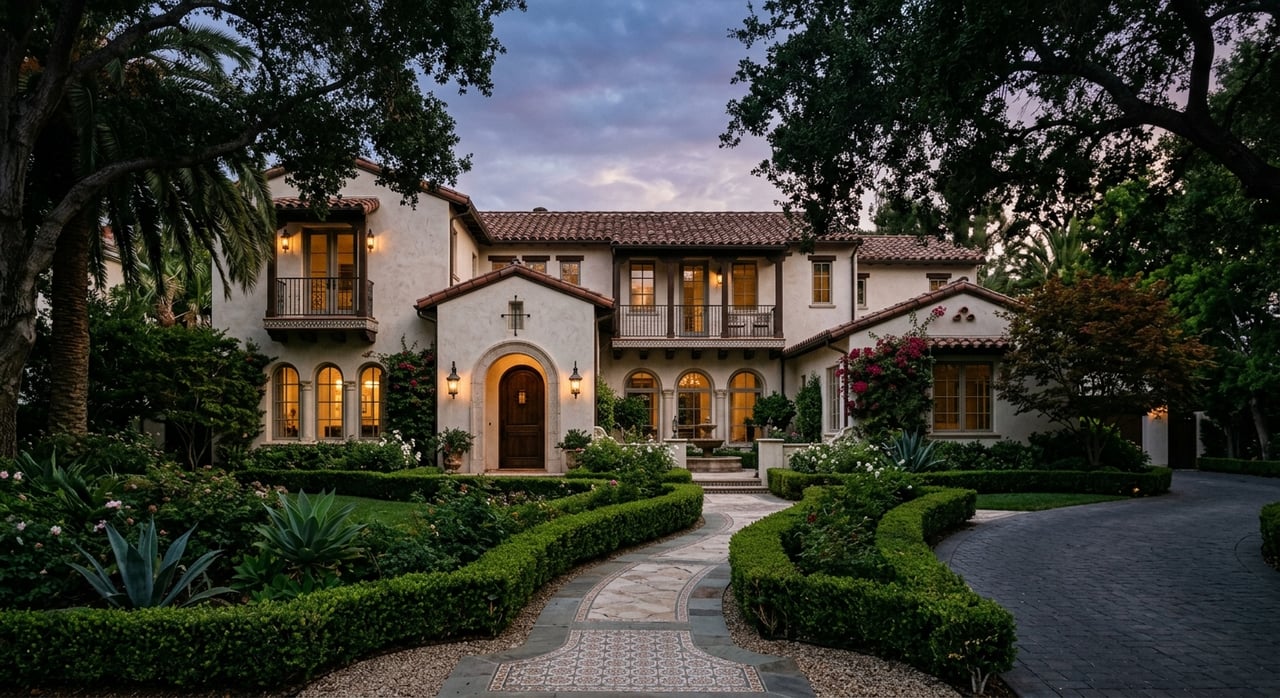
Looking at the Oakland Hills and wondering why two homes just minutes apart can land in very different price brackets? That is one of the defining features of this market. In a small stretch of Oakland, lifestyle, topography, transit access, architectural pedigree, and school enrollment dynamics can all shape value in ways that are not obvious at first glance. If you are buying or selling in this part of the East Bay, understanding the micro-neighborhood story can help you make a smarter move. Let’s dive in.
Why micro-neighborhoods matter
In the Oakland Hills, neighborhood labels only tell part of the story. Buyers often compare Montclair, Crocker Highlands, Upper Rockridge, Glenview, and Oakmore as if they sit in the same bucket, but the pricing says otherwise.
Recent March 2026 neighborhood snapshots show a notable spread. Crocker Highlands was around $1.9 million median sale price, Upper Rockridge about $1.55 million, Montclair about $1.5 million, Rockridge proper about $1.26 million, Glenview about $1.21 million, and Oakmore about $1.20 million. Those numbers are directional, but they make one point very clear: price here is about more than size alone.
Within a tight geographic area, buyers appear to weigh things like views, lot usability, parking, commute convenience, and access to neighborhood amenities. That is why a house with similar square footage can compete very differently depending on where it sits and how it lives day to day.
Oakland Hills value drivers
Topography shapes daily living
Oakland’s wildfire planning materials describe the hills as steep, heavily vegetated, and in some places harder for emergency access. That does not mean every hillside property carries the same concerns, but it does help explain why easier driveways, more usable lots, and defensible-space improvements can affect buyer interest.
For sellers, this means the property story should go beyond finishes. A home with level outdoor space, easier parking, and visible vegetation management may stand out in ways that matter just as much as an updated kitchen.
School access is not simple zoning
In Oakland Unified, enrollment works through an annual process where families rank preferences. School sites do not directly assign students themselves, so buyers should be careful about thinking in simple yes-or-no school zone terms.
A more accurate way to think about it is parcel-level access, neighborhood demand, and seat availability. For example, Crocker Highlands Elementary notes neighborhood and sibling priority for TK, but neighborhood children are not guaranteed seats if demand exceeds supply.
That nuance matters in these neighborhoods because school access can influence demand, yet it is not as static as buyers sometimes assume. Clear, fact-based guidance is especially important when you are comparing homes across several nearby areas.
Upper Rockridge at a glance
Upper Rockridge tends to attract buyers who want hillside living with strong transit and commute connections. Rockridge Station at 5660 College Avenue serves the Antioch-SFIA/Millbrae line, making this the clearest BART-oriented choice in this group.
The neighborhood is often associated with winding streets, Bay views, and a housing stock that includes Tudors, Mediterraneans, and Craftsman homes. Parts of the district also retain notable prewar architecture, including homes in Claremont Pines, even as nearby hillside areas changed after the 1991 firestorm.
With a median sale price around $1.55 million in the March 2026 snapshot, Upper Rockridge appears to price on a mix of scarcity, access, and view potential. If you want the hills without giving up convenience, this is often where the search gets serious.
Montclair at a glance
Montclair has a distinct identity because it feels organized around a village center. It sits in the Oakland Hills around Mountain Boulevard, just off Highway 13, and is served by AC Transit lines 33, 696, and V transbay.
That village structure helps explain its broad appeal. Buyers are often drawn to the combination of hillside setting, neighborhood retail, and a housing mix described as storybook cottages and larger hillside homes.
Montclair Elementary adds another layer to the conversation. The school is recognized as a 2015 National Blue Ribbon School, and its enrollment data show that 47 percent of students come from outside the neighborhood while 51 percent live in the attendance area. That suggests demand reaches beyond immediate neighborhood boundaries.
At roughly $1.5 million median sale price, Montclair often lands near the top of the group without quite reaching Crocker Highlands. In practice, buyers may be paying for village convenience, broad school demand, and the overall hill lifestyle.
Crocker Highlands at a glance
Crocker Highlands currently sits at the top of this five-neighborhood price ladder. The March 2026 snapshot puts its median sale price around $1.9 million, which is a meaningful jump from the rest of the group.
Why the premium? The neighborhood blends historic character, close-in location, and a long-established identity. Crocker Highlands Elementary traces its campus history to 1925, and the neighborhood itself has been described by preservation groups as a landscape of rolling hills and wooded dales shaped by notable architects, including Julia Morgan.
For many buyers, Crocker Highlands offers a rare mix: prestige, architectural pedigree, and a location that feels established without being remote. That helps explain why it can outrank some hill neighborhoods with more dramatic views or steeper terrain.
Glenview at a glance
Glenview often looks like the value side of the premium Oakland Hills conversation. Its March 2026 median sale price was about $1.21 million, well below Crocker Highlands, Upper Rockridge, and Montclair.
The appeal here is different, but real. Glenview is described as a lower-hills neighborhood with California bungalows, a quiet feel, and a main commercial strip along Park Boulevard.
For buyers comparing lower-hills options, Glenview Elementary can be part of the draw. While the neighborhood is known for older architectural character, OUSD says the current Glenview Elementary facility was finished in 2020, which can be a meaningful quality-of-life point for some households.
If your goal is to stretch into a neighborhood with character and a premium East Bay address, Glenview may offer one of the more approachable entry points in this group.
Oakmore at a glance
Oakmore is less about a village center and more about residential character. Developed beginning in 1926, it is known for storybook and period revival homes, gardens, and a moderately hilly street pattern.
Its March 2026 median sale price of about $1.20 million places it very close to Glenview. That pricing suggests buyers often value Oakmore for architecture and a quieter residential setting rather than for direct BART access or a concentrated retail core.
For the right buyer, that is exactly the appeal. If you are drawn to period homes and a more tucked-away feel, Oakmore deserves a closer look.
How buyers can compare these neighborhoods
When you step back, the clearest way to compare these micro-neighborhoods is by lifestyle priority rather than by map alone. Even small differences in access and setting can change the feel of day-to-day life.
A useful framework looks like this:
- Upper Rockridge: strongest fit if you want BART proximity and easier freeway access
- Montclair: strongest fit if you want a hillside village feel and broad demand tied to local amenities and school reputation
- Crocker Highlands: strongest fit if you want a close-in historic neighborhood with the highest current price ceiling in this set
- Glenview and Oakmore: strong options if you want an Oakland Hills address at a somewhat lower entry point
That is not a formal valuation model. It is an informed way to read the market using price snapshots, transit patterns, school enrollment context, and neighborhood character.
What sellers should know
If you are selling in one of these neighborhoods, broad labels are not enough. Buyers in this segment tend to respond to block-level and lot-level details that change how the home functions.
Features that can influence positioning include:
- Flat or more usable outdoor space
- Easier parking or driveway access
- Clearer view corridors
- Updated kitchens or major systems
- A well-documented school enrollment context
- Visible wildfire mitigation or defensible-space improvements where relevant
In the Oakland Hills, these details can matter as much as square footage. That is especially true in hillside areas where steep terrain and dense vegetation are part of the property story.
For higher-end sellers, presentation and preparation also matter. A measured pricing strategy, polished marketing, and thoughtful pre-listing coordination can help the market understand why one property deserves stronger attention than another nearby home with similar specs on paper.
The simplest way to read the market
A concise way to think about this five-neighborhood set is simple. Crocker Highlands and Upper Rockridge usually sit in the top tier, Montclair follows closely with a particularly strong village identity, and Glenview and Oakmore often offer more value while still preserving the Oakland Hills feel.
That does not mean one neighborhood is universally better than another. It means each one answers a different buyer priority, and that is exactly why local interpretation matters.
If you are weighing a move in Oakland’s premium hillside neighborhoods, the smartest next step is to compare homes through a micro-neighborhood lens, not just a citywide one. For a confidential conversation about buying, selling, or off-market opportunities in select Oakland neighborhoods, connect with Dan Walner.
FAQs
What makes Oakland Hills micro-neighborhoods different from one another?
- Small differences in topography, transit access, village amenities, architectural character, parking, views, and school enrollment dynamics can all affect price and buyer demand.
How does school access work in Oakland Hills neighborhoods?
- Oakland Unified uses an annual enrollment process where families rank preferences, so school access is not a simple guaranteed zoning system.
Which Oakland Hills neighborhood has the highest recent pricing?
- In the March 2026 snapshot cited here, Crocker Highlands had the highest median sale price at about $1.9 million.
Which Oakland Hills neighborhood is best for BART access?
- Upper Rockridge is the clearest choice in this group for BART access because Rockridge Station serves the area.
Which Oakland Hills neighborhoods may offer a lower entry point?
- Based on the March 2026 pricing snapshot, Glenview and Oakmore were the lowest-priced neighborhoods in this group while still offering Oakland Hills character.
Why do lot shape and slope matter in the Oakland Hills?
- Oakland’s wildfire planning materials describe the hills as steep and heavily vegetated in places, so features like driveway access, usable outdoor space, and defensible-space improvements can matter to buyers.