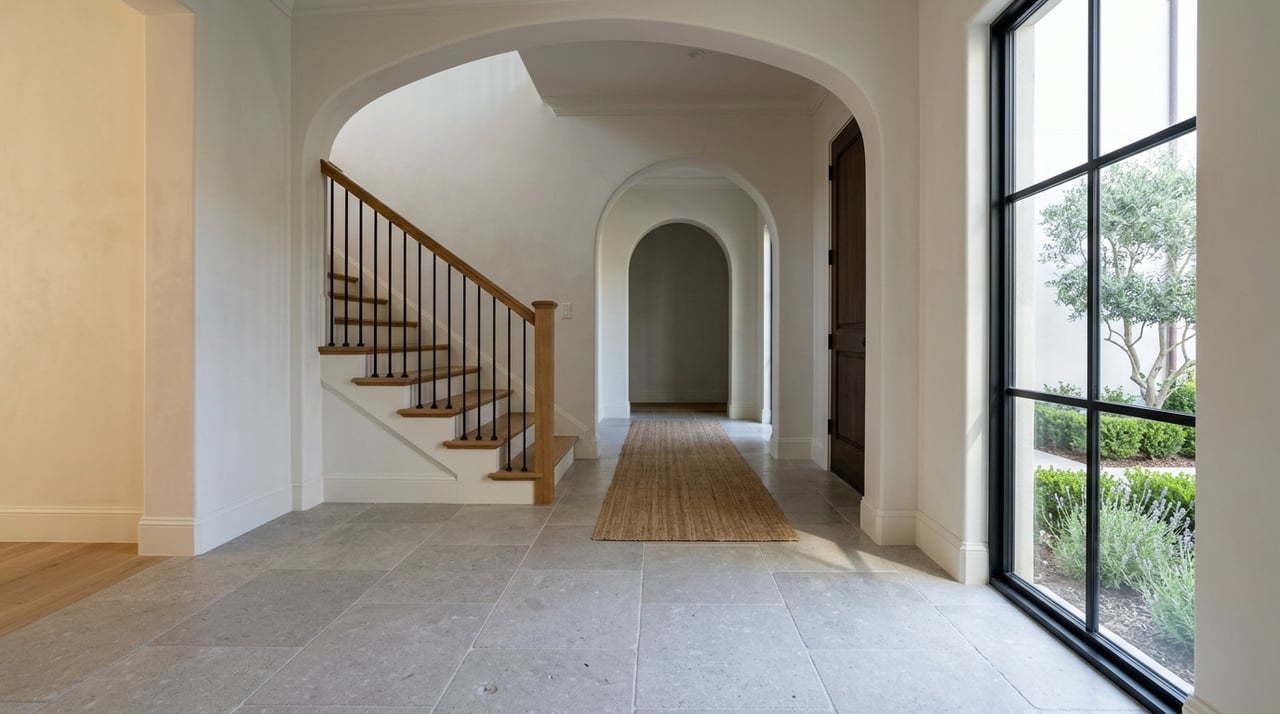
If you are preparing to sell a family home after a death or as part of a long-term estate plan, the process can feel emotional and complicated fast. In Alamo, that complexity often goes beyond the house itself and includes larger lots, older improvements, permit history, tax questions, and family coordination. The good news is that with the right sequence, you can reduce stress, protect value, and make clear decisions. Let’s dive in.
Start With Legal Authority
Before you think about repairs, staging, or pricing, confirm who has the legal authority to act. In California, the executor named in a will is often the person expected to handle the estate, but if formal probate is required, the court appoints a personal representative and the court order defines that person’s powers.
That step matters because the wrong person cannot simply sign listing or sale documents on behalf of the estate. California court guidance also notes that a will must generally be lodged with the court within 30 days after death, so early legal review is important.
Not every estate in Contra Costa County needs full probate. Some homes may pass outside formal probate through a trust, joint tenancy, certain community property situations, or a smaller-estate process if the estate qualifies under Probate Code Section 13100 and is not worth more than $184,500.
If formal probate is needed, expect a longer timeline. California court guidance says formal probate often takes 9 to 18 months, and the process can include inventory and appraisal, notices, hearings, and reporting requirements.
Understand Alamo Property Factors
Alamo is not a typical one-size-fits-all market. It is an unincorporated Contra Costa County community with a land-use pattern that includes low-density residential areas, open space, agricultural land, and estate-style parcels.
That context can shape how buyers view a legacy property. In many cases, value is tied not just to square footage, but also to lot utility, privacy, access, site improvements, and the condition and permit history of older structures or additions.
Because Alamo is unincorporated, planning, code enforcement, and many permit questions go through Contra Costa County rather than a city government. If questions come up about prior work, land use, or code issues, county records and county departments are often the key starting point.
What the Alamo Market Suggests
Current market data point to a strong, competitive environment. Redfin reported a median sale price of $2,598,658 for the three months ending April 2026, with 10 median days on market, a 103.7% sale-to-list ratio, and 66.0% of homes selling above list price.
Realtor.com reported a March and April 2026 median listing price of $2,872,500, with 52 active listings and 23 median days on market. These sources use different methods, but together they suggest that Alamo is not behaving like a slow market.
For an estate or legacy sale, that can be encouraging. A strong market can create options, but it does not remove the need for careful preparation, especially when a home has deferred maintenance, older improvements, or multiple decision-makers involved.
Review Property Tax Issues Early
One of the biggest estate-sale questions is whether heirs can keep the current property tax basis. In California, Proposition 19 significantly narrowed the old parent-child and grandparent-grandchild exclusion rules for transfers on or after February 16, 2021.
Today, the exclusion is generally limited to a qualifying principal residence or family farm. The transferee must generally file the claim within three years or before a transfer to a third party, and must also file for the homeowners' exemption within one year.
For transfers occurring from February 16, 2025 through February 15, 2027, the California State Board of Equalization set the adjusted exclusion amount at $1,044,586 above the factored base-year value. The Board also states that inherited rental property does not qualify under the parent-child exclusion because the rule is limited to a family home that becomes the transferee’s principal residence or to a family farm.
If the property is held in trust, tax analysis can become more technical. The Board of Equalization says assessors look through the trust to the present beneficial owner, and when a revocable trust becomes irrevocable, the change in ownership usually occurs at the trustor’s death.
Get Title and Valuation in Order
Once legal authority and tax posture are clear, the next smart step is to review title and establish value. This helps you understand how ownership is held, whether there are trust or probate issues to resolve, and how the property should be positioned in the market.
A thoughtful valuation matters even more in Alamo because estate properties often sit on larger parcels with features that are not easy to price by formula. Lot layout, privacy, detached structures, older improvements, and records of permitted work can all influence buyer demand.
This is also the stage where families often benefit from coordinated professional support. Depending on the situation, that may include an attorney, CPA, appraiser or probate referee, contractor, mover, stager, and a real estate advisor who can manage the larger plan.
Triage Clean-Out, Repairs, and Prep
After authority, title, and pricing strategy are underway, focus on what the home needs before listing. For many estate sales, that means separating emotional decisions from market decisions.
Start with a practical triage list:
- Remove personal property and identify items for distribution, donation, storage, or sale
- Secure important records such as permits, invoices, warranties, and contractor information
- Identify safety issues, deferred maintenance, and visible defects
- Decide which repairs are necessary, which are cosmetic, and which are better left as-is
- Create a timeline for cleaning, staging, and photography
Legacy homes often come with years of piecemeal updates. In California, that paperwork can matter because recent disclosure rules require sellers who took title within the prior 18 months to disclose certain contractor-performed additions, structural modifications, alterations, or repairs over $500, including contractor names and copies of permits.
That rule, effective July 1, 2024 under AB 968, makes permit history and repair records especially important. Even when the estate has limited records, gathering what you can before going live helps reduce surprises later.
Prepare Disclosures Carefully
Disclosure planning should start earlier than many families expect. Older homes often carry more disclosure risk simply because they have had more time for repairs, changes, wear, and record loss.
In California, the Real Estate Transfer Disclosure Statement describes the condition of the property. The Natural Hazards Disclosure Statement is required when a property lies in mapped hazard areas and must disclose items such as seismic hazard zones and other mapped hazards.
California’s 2025 law updates also note that AB 1280 requires the Natural Hazards Disclosure Statement to identify whether a single-family property is in a high fire hazard severity zone and whether it is in a state or local responsibility area. In an area like Alamo, that makes early hazard-report review a practical step, not just a paperwork exercise.
If the home was built before 1978, federal law also requires lead-based paint disclosures before the contract is signed. Sellers must provide known information, available records and reports, the Lead Warning Statement, and a 10-day opportunity for a lead inspection or risk assessment unless the buyer waives it.
Coordinate Family Expectations
Even when the paperwork is manageable, family alignment can be the hardest part of an estate sale. Probate requires notice to family members and others who may have rights in the estate, so communication early in the process can help avoid delay and conflict.
That is especially true when one heir wants speed, another wants to maximize price through improvements, and another is focused on tax consequences or personal belongings. Clear decisions around timing, budget, and sale strategy help keep the process moving.
A calm, structured approach often works best. Set milestones, document decisions, and make sure everyone understands which choices are legal, financial, and market-driven rather than emotional or informal.
Build a Smart Alamo Sale Strategy
Once the home is ready, the final strategy should reflect both the property and the market. In Alamo, buyers may respond strongly to privacy, land use, outdoor utility, and the presentation of the home as a well-cared-for estate property.
That means your launch plan should do more than post photos and wait. A stronger strategy may include measured pricing, polished presentation, staging, contractor coordination, and a clear story around the home’s features, condition, and records.
For families handling a sensitive transition, discretion matters too. Estate and legacy sales often benefit from organized project management, thoughtful timing, and a steady communication style that reduces friction for both heirs and buyers.
A Simple Planning Sequence
If you want a practical roadmap, this is the order that usually makes the most sense:
- Confirm who has authority to act
- Review probate, trust, and title status
- Clarify Proposition 19 and related tax questions with the right professionals
- Establish property value and market position
- Complete clean-out and repair triage
- Gather permits, invoices, warranties, and disclosure documents
- Review hazard and lead-based paint requirements where applicable
- Align family members on timing, budget, and expectations
- Prepare the home for market and launch with a tailored strategy
Following that sequence can help you avoid wasted spending and last-minute setbacks. It also gives you a clearer path through what can otherwise feel like an overwhelming process.
If you are considering an estate or legacy home sale in Alamo, the right guidance can make a meaningful difference in both the experience and the outcome. For discreet, high-touch support with pricing, preparation, contractor coordination, and estate-sale strategy, request a confidential market consultation with Dan Walner.
FAQs
Do all estate home sales in Alamo go through probate?
- No. Some properties avoid formal probate through a trust, joint tenancy, certain community property situations, or a smaller-estate process if legal requirements are met.
How long can a formal probate home sale take in California?
- Formal probate often takes 9 to 18 months, depending on the estate and court process.
How does Proposition 19 affect an inherited Alamo home?
- Proposition 19 narrowed prior exclusion rules, so heirs often face reassessment unless the property qualifies as a principal residence or family farm under current rules.
Do trust-owned homes in Alamo need special review before sale?
- Yes. When a property is held in trust, ownership and tax treatment often depend on the trust terms and beneficial ownership, so early review is important.
What disclosures matter for older Alamo homes?
- Common issues include the Transfer Disclosure Statement, Natural Hazards Disclosure Statement, and lead-based paint disclosure for homes built before 1978.
Do recent repairs need to be disclosed in a California estate sale?
- If the seller obtained title within the prior 18 months, California law may require disclosure of certain contractor-performed work over $500, including contractor names and permit records.
Why do permits and records matter in an Alamo legacy sale?
- In Alamo, value can be influenced by lot use, site improvements, and older additions, so permits, invoices, and repair records can help support pricing and disclosures.