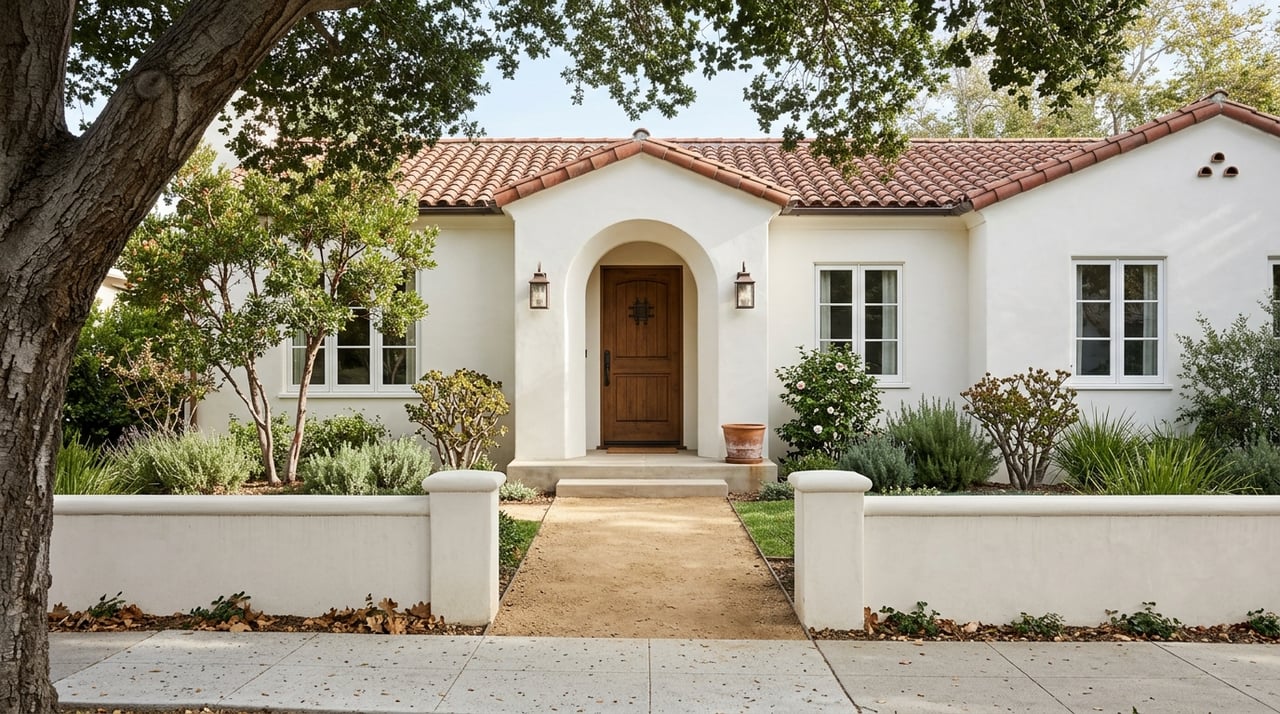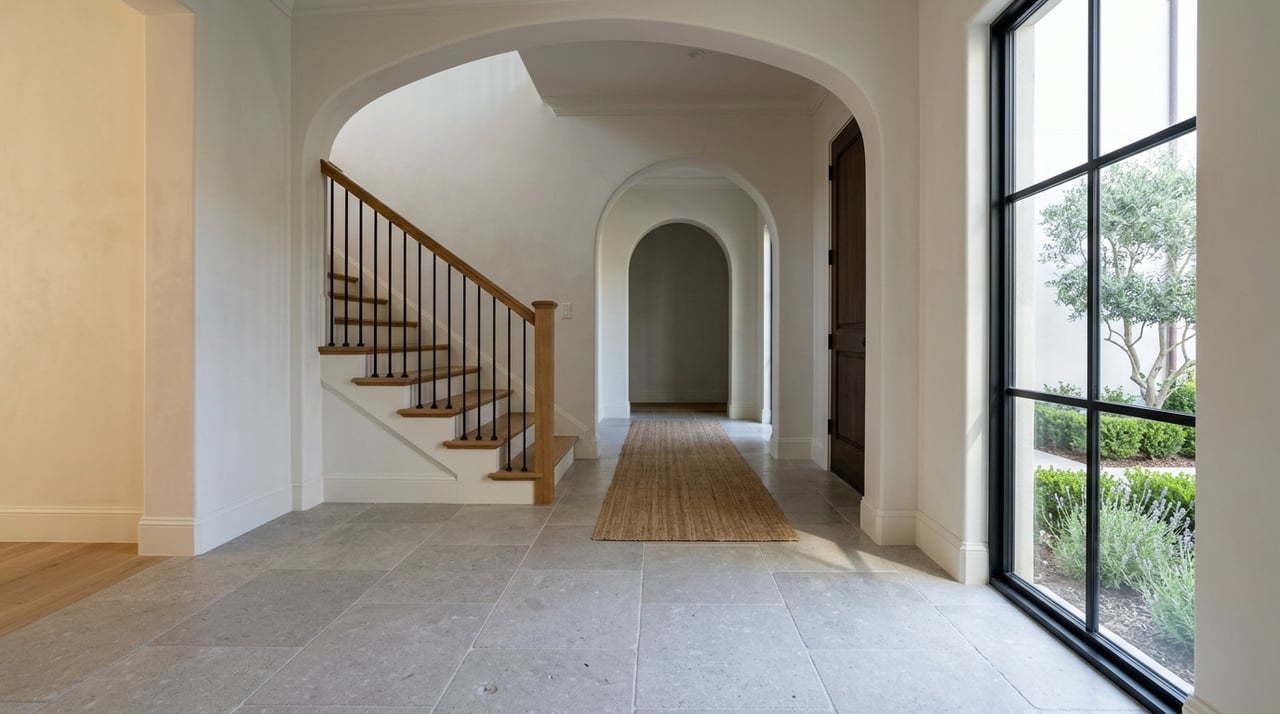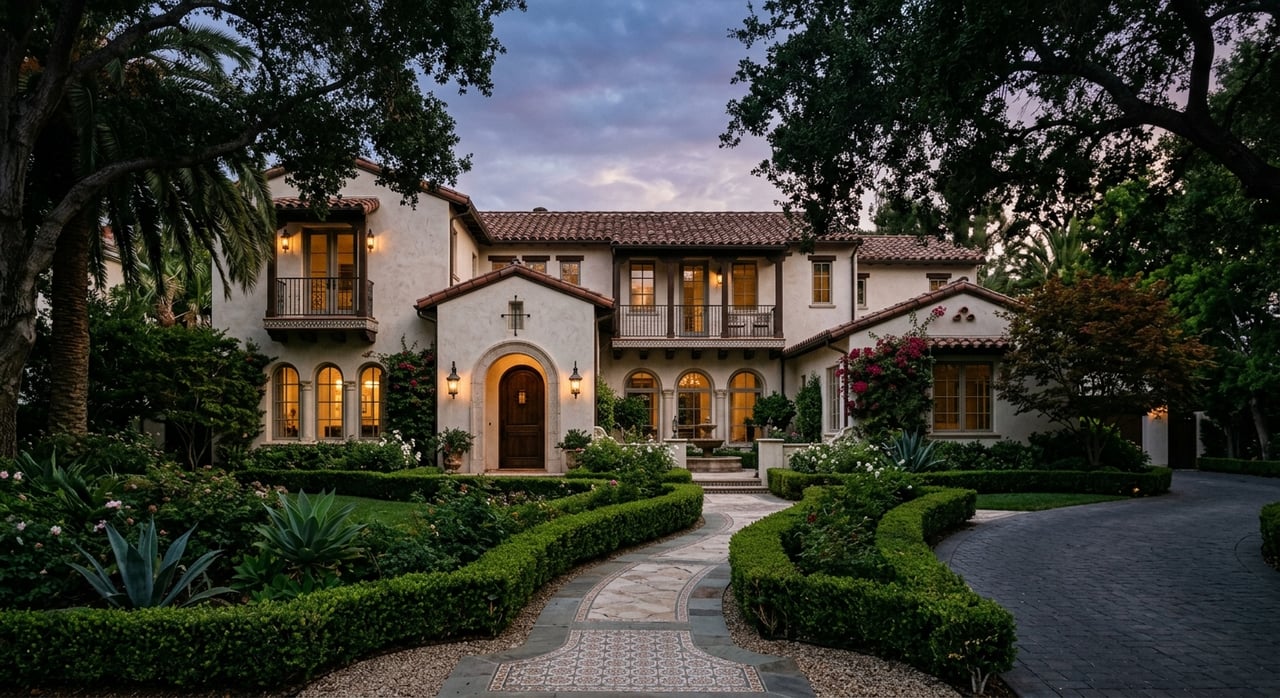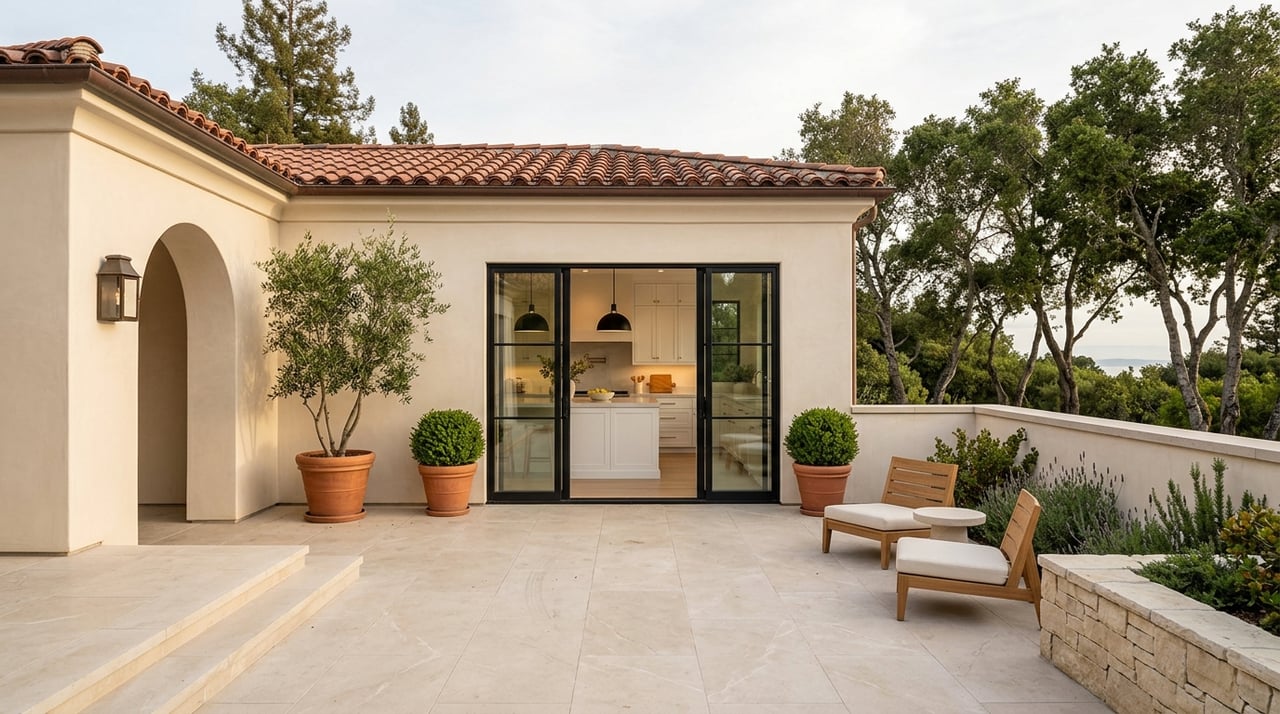
Wondering how to price an Oakland Hills view home without leaving money on the table or aiming so high that buyers hesitate? If your home has Bay views, strong natural light, or standout outdoor spaces, you may be sitting on a premium asset, but in the hills, that premium depends on the details. Here’s how to think about pricing, preparation, and launch strategy so your home shows at its best and enters the market with a clear plan. Let’s dive in.
Oakland Hills pricing is highly specific
A view home in the Oakland Hills is not priced like a typical Oakland property. Recent market data shows Oakland overall with a median sale price of $849,561 and about 16 days on market, while hillside ZIP codes like 94611 and 94618 were much higher at $1,484,907 and $1,604,192, both with about 14 days on market.
That gap matters because buyers are not just comparing your home to the city at large. They are looking closely at parcel position, view quality, lot usability, privacy, and how the home lives day to day. In nearby hillside areas, even broader 94619 showed a lower median of $957,518, which underscores how much micro-location can influence price.
For you as a seller, that means pricing should start with the specific story of your property. A broad Oakland average will not capture the difference between a filtered view and a sweeping one, or between a steep lot and one with usable outdoor space.
What buyers pay for in a view home
Scenic views can command a premium, but there is no single percentage that applies to every home. Research on view premiums points to a simple truth: buyers tend to pay more for clarity, breadth, and the overall quality of the outlook.
In practical terms, your home’s value is often tied to more than the view itself. Buyers respond to the full lifestyle package, including light, privacy, decks or patios, and how easily the home connects indoor and outdoor living.
View quality matters
Not all views are equal in the market. A wide Bay view, skyline outlook, or layered scenic vista usually reads differently than a partially blocked or seasonal view.
When pricing your home, the question is not only whether you have a view. It is how visible, dramatic, and usable that view feels from the main living spaces and outdoor areas buyers care about most.
Light and windows support the premium
Recent Oakland Hills listings consistently highlight large windows, walls of glass, and bright interiors. That is a clue to buyer priorities.
If your home captures natural light well, that can strengthen the appeal of the view and make the home feel larger and more inviting. A beautiful outlook carries more value when buyers can actually experience it from the kitchen, living room, family room, or primary suite.
Outdoor usability adds value
A deck with room to sit, dine, or entertain can make a major difference. The same is true for patios, gardens, and terraces that feel intentional and functional.
In the hills, buyers often want more than a nice photo moment. They want outdoor areas that extend the living experience and let them enjoy the setting in a practical, everyday way.
Parking and arrival still count
Parking is easy to overlook when talking about views, but buyers notice it. Recent premium hillside listings prominently featured garage spaces and arrival details, suggesting that convenience remains part of the value equation.
If your home offers a garage, off-street parking, or an easier arrival experience than competing hillside properties, that should be part of the pricing conversation. In a location where streets, slopes, and access vary widely, comfort and usability matter.
Renovations reduce buyer uncertainty
Buyers often pay more confidently when a home feels coherent and well maintained. Updated kitchens and baths, refreshed finishes, and thoughtful improvements can help your home compete more effectively.
That does not mean every seller needs a major remodel. It means buyers want clarity on what has been improved, what feels current, and what they may need to take on after closing.
How to prepare your view home for market
Preparing an Oakland Hills view home is usually about selective improvement, not starting from scratch. The goal is to make the home feel polished, easy to understand, and aligned with what buyers expect at your price point.
For many sellers, a 6- to 18-month runway is ideal. That timeline gives you room to make smart decisions, complete improvements in phases, and avoid a rushed pre-listing process.
Start with the sightlines
View homes should be prepared around what buyers came to see. Clean windows thoroughly, remove heavy window treatments if they block the outlook, and trim vegetation that interrupts key view corridors.
Then look at furniture placement. Living areas should orient toward the scenery, and decks or patios should read as usable extensions of the home rather than empty exterior zones.
Focus on cosmetic updates with impact
A full remodel is often unnecessary. In many cases, painting, flooring updates, deep cleaning, decluttering, landscaping, and selected kitchen or bath improvements can do more for your sale than a broad, expensive renovation.
This is where a measured plan matters. If your home already has strong bones, strong views, and good natural light, targeted improvements may be enough to sharpen presentation and reduce buyer hesitation.
Prep the exterior carefully
Oakland Hills buyers pay close attention to outdoor areas and visible maintenance. Before listing, it makes sense to walk through rooflines, gutters, drainage, retaining walls, deck surfaces, fencing, paint condition, and exterior wear.
That step supports both presentation and disclosure readiness. It also helps you identify issues early, when you still have time to decide whether to repair, disclose, or adjust your pricing strategy.
Use disclosures and compliance to your advantage
In California, sellers are required to describe the property’s physical condition and potential hazards or defects, and the agent must conduct a visual inspection and disclose readily observable defects. For hillside properties, that makes early preparation especially important.
A clean, organized disclosure package can reduce uncertainty for buyers. It can also make your home feel more buttoned-up, which supports confidence when buyers are weighing a premium price.
Address wildfire disclosures early
Oakland hillside sellers should sort out natural hazard and wildfire-related disclosures well before launch. California Natural Hazard Disclosure rules can include fire hazard severity zones, flood zones, dam inundation areas, earthquake fault zones, and seismic hazard zones.
In Oakland, parcels within the city’s Wildland-Urban Interface Fire Area, also called the Very High Fire Hazard Severity Zone, must maintain defensible space. Alameda County Fire also states that compliant defensible-space inspection documentation is required for residential sales in high or very high fire hazard severity zones.
For you, the takeaway is simple: do not wait until the last minute. If your property is in an affected area, getting ahead of inspections and documentation can help your sale move more smoothly.
Price with net proceeds in mind
Sale price is only part of the story. Oakland sellers also need to account for the city’s real estate transfer tax, which is tiered from 1.0% up to 2.5% depending on transfer value.
For upper-tier Oakland Hills homes, this can materially affect your bottom line. If your expected sale price approaches or exceeds a higher transfer tax threshold, net proceeds should be part of the pricing discussion from the start.
Why presentation can justify the premium
Strong demand in the hills does not guarantee a top result on its own. The presentation still has to support the price.
For a view home, buyers should be able to understand the experience before they ever walk in. That usually means a polished media package with strong interior photography, exterior and twilight images, and video that captures the arrival, main living spaces, and the signature view moments.
The best launches make the home feel complete. When buyers see the connection between the view, the light, the outdoor spaces, the parking, and the upkeep, they are more likely to understand why the home is priced where it is.
A smart strategy beats a generic one
Oakland Hills view homes live in a category of their own. A thoughtful pricing plan, selective preparation, and clean disclosures can help your home stand out in a market where buyers look closely at every detail.
If you are planning a sale, the right approach is usually not the most dramatic one. It is the one that matches your home’s specific strengths to a realistic preparation plan and a pricing strategy grounded in the local hillside market.
If you’re thinking about selling an Oakland Hills view home, Dan Walner can help you evaluate pricing, prep priorities, and a discreet launch strategy tailored to your property.
FAQs
How should you price an Oakland Hills view home?
- You should price it based on its exact location, view quality, lot usability, light, outdoor spaces, parking, and condition rather than relying on broad Oakland averages.
What improvements matter most before selling an Oakland Hills view home?
- The highest-impact steps often include cleaning windows, improving sightlines, trimming vegetation, decluttering, painting, landscaping, staging decks and patios, and making selected cosmetic updates.
Do you need a full remodel before listing an Oakland Hills view home?
- No. Many sellers get better results from selective improvements and strong presentation than from taking on a full, expensive remodel.
What disclosures matter when selling an Oakland Hills hillside property?
- California sellers need to disclose the property’s physical condition and observable defects, and hillside sellers should also address natural hazard, wildfire, and seismic disclosures early.
What wildfire requirements can affect an Oakland Hills home sale?
- If your property is in an applicable fire hazard area, defensible space requirements and inspection documentation may be required before or during the sale process.
What seller cost should you remember when pricing an Oakland home?
- Oakland’s real estate transfer tax can meaningfully affect your net proceeds because it is tiered by transfer value and ranges from 1.0% to 2.5%.